


A life strategy operating system is what most people have never had: something that sits above all their apps, tools, and habits, aligning everything so decisions stop competing and progress moves in one direction. Last week, more than 600,000 people (including myself) attended the virtual AI Advantage Summit, hosted by Tony Robbins and Dean Graziosi.
I have enormous respect for Tony and Dean. Their energy and relentless focus on personal performance have helped millions achieve more than they thought possible. If you’ve ever needed to break through inertia, crush a business goal, or find motivation for massive action, their approach is powerful and effective.
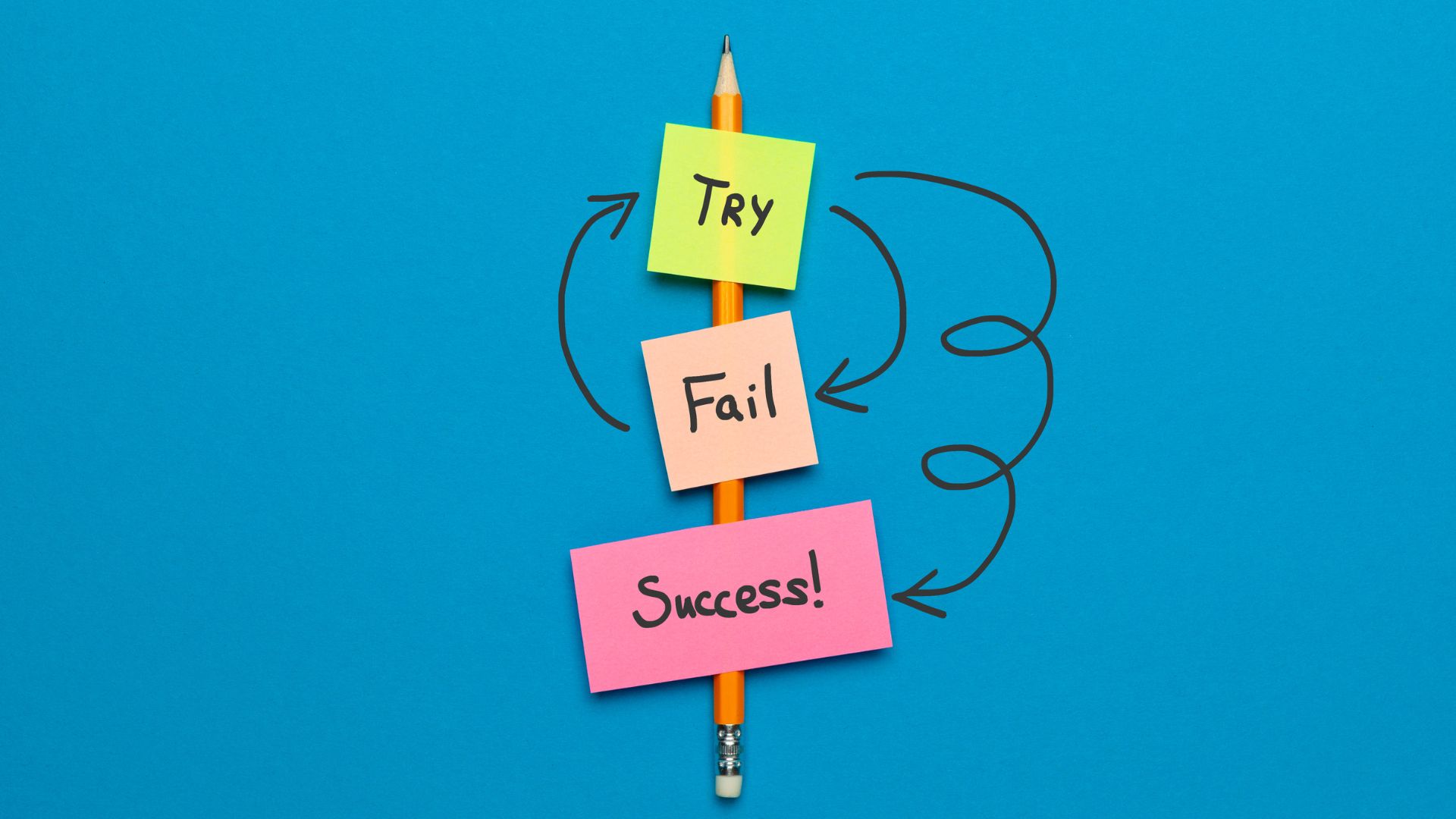
But here’s what nobody’s saying: motivation isn’t a life strategy.
And high performance in one domain doesn’t equal a well-lived life.
This isn’t a criticism of Tony and Dean. It’s a clarification. Because what they offer (and what they offer brilliantly) is fundamentally different from what a complete life requires. Understanding the difference matters. A lot.
The Dean G/Tony R Approach: Motivational Excellence
Dean and Tony’s 2026 AI Advantage Summit delivers exactly what you’d expect from world-class motivators: urgency, momentum, and inspired action. Their 10 principles create immediate energy in 2026:
- Audit your inner circle
- Solve bigger problems
- It’s on me (you’ve got this)
- Who is steering your ship?
- Repetition creates consistency
- Be bold, take uncomfortable action
- Leverage AI wherever you can
- I will persist until I succeed
- Commitment over convenience
- Who vs. how (find someone to model)
These aren’t platitudes. These are battle-tested principles that work. If you’re stuck, uninspired, or need a breakthrough in your career or business, this approach delivers results.
The approach is clear: Reflect on wins and losses. Manage time better. Set bigger goals. Execute with intensity.
This creates wins. Real ones.
But here’s the question worth asking: Is this a complete life strategy, or is it performance optimization for one domain?
The Hidden Gap: What’s Missing from the 10 Principles
Look closely at those 10 principles. Nine of them relate primarily to career, business, and financial success. Only “Audit your inner circle” touches relationships (and even that’s framed around success optimization, not relational depth or health).
Where are:
- Your health and well-being beyond energy for work?
- Your marriage or partnership beyond “support for your goals”?
- Your children and family as ends in themselves?
- Your spiritual life and inner peace?
- Your hobbies, joy, and play for their own sake?
- Your contribution and service beyond business success?
- Your physical environment and home life?
They’re not there. Not because Dean and Tony don’t care about these things (they do). But because their approach wasn’t designed to address them. It’s designed to help you win in business and career. And it does that exceptionally well.
The problem emerges when people mistake a performance system for a life system.
💡 This gap doesn’t appear at the beginning of someone’s journey. It appears later (after momentum has been built, goals have been achieved, and capability is no longer in question). Many people drawn to Tony and Dean’s work are already disciplined, driven, and successful. They don’t need more motivation. They’re asking a more mature question: How do I make sure the life I’m building actually holds together?
This isn’t about doing more or pushing harder. It’s about ensuring that success in one domain doesn’t quietly extract a cost from others. As performance rises, trade-offs become more consequential. Without a unifying strategy, progress can accelerate in one direction while meaning, health, or relationships slowly drift out of alignment.
That moment (the realization that effort alone isn’t enough) is where ONELife begins.
The Three Gaps That Create Fragmented Lives
Gap 1: Domain Blindness
Success in one domain doesn’t automatically create success in others. In fact, the opposite is often true. The executive who dominates at work but neglects health, relationships, and personal growth isn’t winning at life. They’re winning at work while losing everywhere else.
Dean and Tony optimize for career and financial achievement. That’s not wrong. But it’s incomplete if you’re trying to build a whole life, not just a successful career.
Gap 2: Motivation Without Alignment
Motivation is rocket fuel. It creates lift. But without an operating system to align that energy across all life domains, it burns hot in one area while others suffer.
Annual planning creates urgency. But life isn’t a series of annual sprints. It’s a continuous system requiring alignment, not just periodic bursts of massive action in disconnected areas.
Gap 3: Success-Centric, Not Life-Centric
The entire Dean/Tony model assumes that “winning,” “succeeding,” and “crushing obstacles” are the primary measures of a good life. And for some seasons, that’s exactly what you need.
But what about:
- Peace and contentment?
- Deep, connected relationships?
- Health and longevity?
- Meaning and contribution?
- Joy and presence?
These aren’t “nice to haves” you get to after you succeed. These ARE success. But they require a different operating system (one that aligns all domains toward a unified purpose).
The ONELife Alternative: Your Life Strategy Operating System
Here’s what most people have never had: an operating system that sits above all their apps, tools, and habits, aligning everything so decisions stop competing and progress moves in one direction.
You use Asana for work. MyFitnessPal for health. Mint for finances. Calm for meditation. Each app optimizes its domain. But nothing aligns them.
Your work goals compete with your health goals. Your financial decisions strain your relationships. Your personal growth disconnects from your sense of purpose.
Not because you lack motivation. Not because you need better apps. But because you’re missing the operating system that sits above everything, aligning all the parts so they work together.
ONELife is that operating system (and the app that brings it to life).
The Problem: Competing Priorities, Fragmented Progress
Most people have:
- Work goals pushing them toward 60-hour weeks
- Health goals requiring 10 hours of weekly exercise
- Relationship goals demanding quality time and presence
- Financial goals necessitating extra income streams
- Personal growth goals adding courses and reading
- All competing for the same 168 hours
The result? You make progress in one domain while others regress. You optimize parts while the whole remains misaligned.
This isn’t a motivation problem. This is an alignment problem.
The Solution: A Life Strategy Operating System in App Form
ONELife is both a life strategy operating system and the app that implements it.
The operating system provides the strategic thinking. The app provides the structure to apply it consistently.
It doesn’t replace your existing productivity apps. It doesn’t connect them through APIs. It doesn’t pull data into dashboards.
It sits above everything, aligning all parts of your life so decisions stop competing and progress moves in one direction, with purpose.
For the first time:
- Your work decisions consider their impact on health and relationships
- Your financial choices align with your values and purpose
- Your personal growth serves your contribution, not just consumption
- Your health strategy supports your work, not competes with it
- All eight domains move together in one direction
How the Operating System Works (Inside the App)
1. Foundation: Purpose, Values, Principles
The ONELife app guides you through establishing your foundation:
- Purpose: Your core reason for existing (the north star for all decisions)
- Values: The connection between who you are and what you do
- Principles: The disciplines that create motion across all domains
This foundation becomes your filter. Every decision, every goal, every app (they all serve this or they don’t belong).
2. Eight Life Domains: The Complete System
The ONELife app helps you visualize and manage all eight interconnected domains:
- Work & Career
- Finances
- Relationships
- Health & Well-Being
- Hobbies & Personal Passions
- Giving Back
- Growth & Learning
- Environment
Each domain has its own apps, tools, and habits. The ONELife app sits above them all, ensuring they work together toward unified purpose rather than competing for attention.
3. The POST Model: Strategy for Alignment
For each of the eight domains, the ONELife app helps you think about:
- Profile: Current situation (where you actually are)
- Objectives: What you want (aligned to purpose, not random goals)
- Strategy: How this domain supports others (not competes)
- Tactics: Actions that your other apps track (now aligned)
This isn’t about optimizing each domain separately. It’s about aligning all domains so they reinforce each other.
4. Weekly Rhythm: Sustained Alignment
Every week, the ONELife app prompts you to:
- Review all eight domains (not just work)
- Identify where domains compete vs. support
- Make conscious trade-offs based on purpose
- Adjust so all progress moves in one direction
- Ensure short-term wins don’t create long-term misalignment
This isn’t another productivity app to juggle. This is the operating system that keeps everything aligned.
The Three-Layer Reality
Layer 1: Your Apps and Tools
Todoist, Mint, MyFitnessPal, Asana, Strava, Coursera, etc.
Each optimizes execution within its domain. Keep using them.
Layer 2: Motivational Fuel
Dean/Tony: Energy, urgency, breakthrough mindset.
This creates drive, especially for career and business. Use it when you need a boost.
Layer 3: Life Strategy Operating System
ONELife (the app): Purpose, values, eight-domain alignment, unified progress.
This sits above everything, ensuring all parts work together instead of competing.
This is what’s been missing.
The Question That Matters
You already have apps tracking your tasks.
You probably already follow motivational leaders for fuel.
But do you have an operating system sitting above everything, aligning all the parts?
- When your work goals compete with your health goals, which wins?
- When your financial decisions strain your relationships, who decides the trade-off?
- Are all eight domains moving in one direction, or pulling in eight different directions?
Without an operating system, you optimize parts while your whole life fragments.
The Bottom Line
Your apps are powerful for execution.
Dean and Tony provide exceptional fuel.
But neither provides the operating system that aligns everything.
ONELife is both the operating system and the app that brings it to life. It sits above all your tools, ensuring decisions stop competing and progress moves in one direction.
For the first time, all eight domains work together. Aligned to purpose. Moving as one.
Because life is the work that matters most. And that work requires more than apps and motivation.
It requires alignment.