


Hybrid work burnout is the conversation no one’s having. Everyone keeps celebrating flex and hybrid as *the* solution to burnout.
And yes, the data is real:
➜ 82% of Fortune 500 companies now offer flexibility
➜ 97 of the Fortune 100 Best Places to Work support hybrid or remote options
➜ Hybrid teams show higher engagement than fully onsite teams
➜ Remote work improves retention with no productivity drop
All true. All backed by solid research. All good progress.
But here’s the part no one wants to say out loud:
The pain is STILL there, if not worse.
People are more flexible… and more fragmented.
More connected… and more overwhelmed.
More “balanced”… and less aligned.
The Problem Isn’t Location. It’s the Model.
Because flex and hybrid are still built on an outdated assumption:
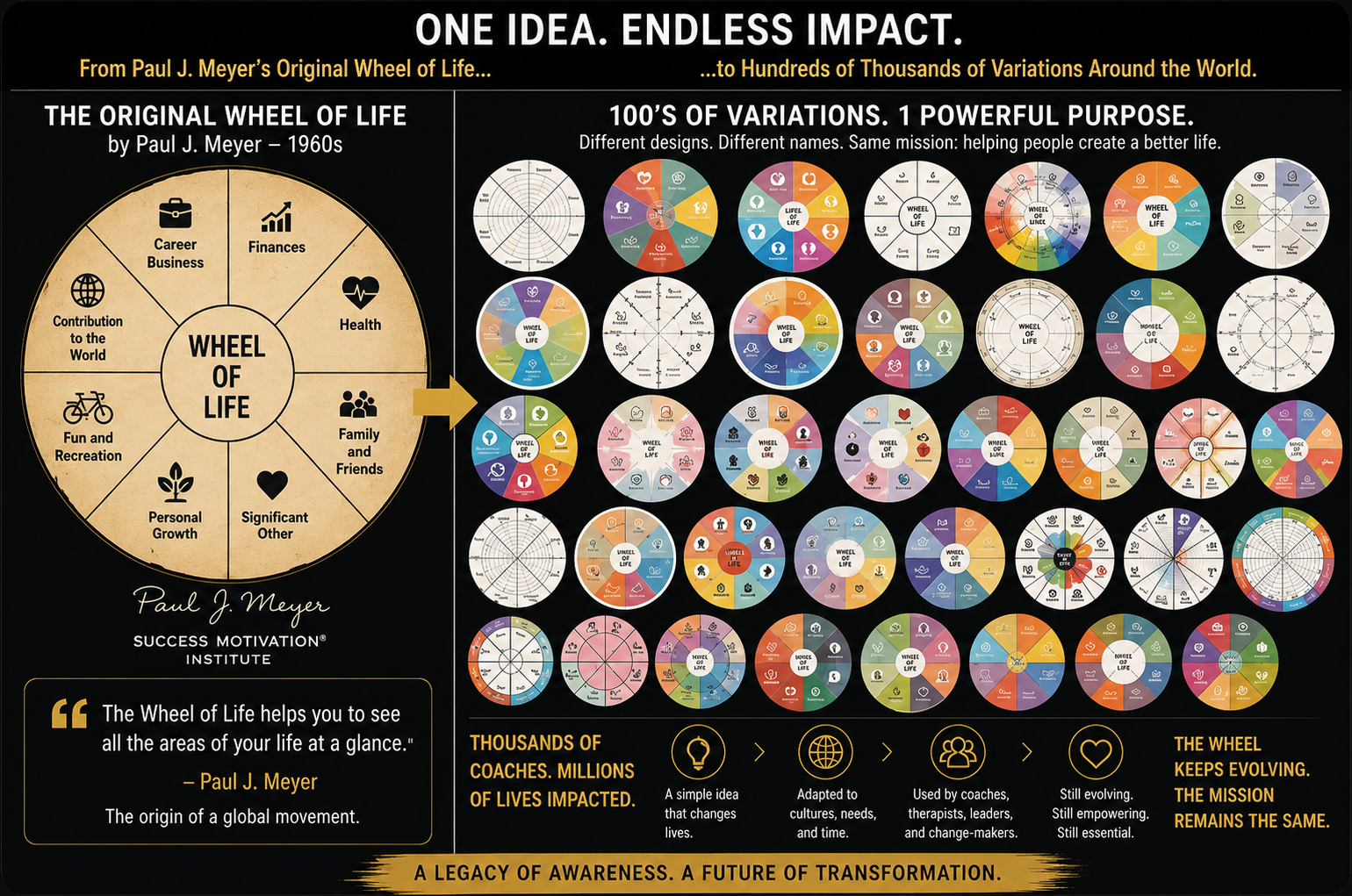
You have TWO lives: work and life. And the goal is to balance them.
Change the location? Same problem. Change the hours? Same problem. Add wellness days? Same problem. Better tech? Same problem.
The work-life balance model assumes your life exists in two competing halves. One side funds the other. One side drains you so the other side can restore you. The goal is to manage the tension between them.
But that model was never designed for a world where:
➜ Work doesn’t end when you leave the office (because the office is everywhere)
➜ Life doesn’t wait for weekends (because responsibilities don’t pause)
➜ Technology connects everything (which means nothing is truly separate anymore)
Flexibility didn’t solve the core problem. It just made the fragmentation mobile.
You can work from anywhere now. That’s progress. But if “anywhere” still means splitting yourself between competing priorities with no unifying strategy, you’ve just made burnout more convenient.
Why Flex and Hybrid Feel Like Progress but Don’t Solve the Deeper Issue
Hybrid work gives you control over where and sometimes when you work. That’s valuable. It reduces commute stress. It increases autonomy. It creates space for life to happen during work hours instead of only after them.
This explains why hybrid work burnout rates haven’t dropped as expected.
But it doesn’t address the fundamental question:
What is all this flexibility FOR?
Most people use flexibility to chase the same goals, serve the same misaligned priorities, and optimize the same fragmented life, just from a different location.
They’re working from home now, but still:
➜ Chasing work goals that compete with health goals
➜ Saying yes to everything because they haven’t defined what matters
➜ Burning out in new ways because location flexibility didn’t create life alignment
The research shows flexibility helps retention and engagement. But it doesn’t show people feeling whole. Because you can’t fix a two-life model with tactical adjustments.
You need a one-life strategy.
What a One-Life Strategy Actually Means
A one-life strategy doesn’t reject flexibility. It uses flexibility as a tool, not a solution.
The question isn’t “work-life balance” or even “work-life integration.” The question is:
Do all parts of my life move in one direction, aligned to purpose, or are they still competing for the same 168 hours with no unifying strategy?
This is what ONELife is built for.
Not balance. Integration. Not time hacks. Clarity. Not more flexibility. One unified strategy across every life domain.
💡 The shift isn’t about where you work. It’s about whether your work, health, relationships, finances, growth, contribution, hobbies, and environment are aligned toward a unified purpose or pulling in eight different directions.
Hybrid work can support that alignment. Or it can enable more sophisticated fragmentation. The difference is whether you have a life strategy system sitting above everything, ensuring all parts work together.
This is where the eight life domains framework becomes essential.
The Real Research No One Talks About
The studies celebrating hybrid work measure engagement, productivity, and retention. But they don’t measure
➜ whether flexibility actually prevents hybrid work burnout in the long term.
➜ Whether people feel their lives are aligned or fragmented
➜ Whether flexibility reduced burnout or just relocated it
➜ Whether autonomy created clarity or just more decisions to manage
➜ Whether integration happened or people are just multitasking from home
Flexibility is a feature. Strategy is the system.
Without the life strategy system, you’re just running the same fragmented apps from a nicer location.
What This Means for You
If you’re in a hybrid or remote role and still feeling the same pressure, the same overwhelm, the same sense that something isn’t working, it’s not because flexibility failed.
It’s because flexibility was never designed to solve alignment.
You don’t need more control over your schedule. You need a life strategy that ensures every domain: work, health, relationships, finances, growth, giving back, hobbies, and environment, serves a unified purpose instead of competing with each other.
That’s a life strategy system, not a work policy.
And that’s what ONELife provides.
The Bottom Line
The research is clear: Flexibility helps.
But fragmentation still wins… unless you replace the model entirely.
Hybrid work is progress. But it’s not a strategy. It’s a tool. And tools only work when you know what you’re building.
One life. One strategy. ONELife.