


The messy middle is that frustrating space where you know exactly what you want but can’t seem to get there. We’ve all been there. You’ve got your goals mapped out: career milestones, health targets, relationship aspirations. You’ve even got your to-do lists, calendar reminders, and productivity apps keeping you on track. But somehow, you’re still stuck, treading water between knowing and doing.
This isn’t just a productivity problem. It’s a decision-making crisis that behavioral economist Dan Ariely has spent decades researching. And his findings explain exactly why traditional goal-setting apps and coaching programs aren’t enough, and why OneLife is building something fundamentally different.
The Predictably Irrational Human
Dan Ariely, Professor at Duke’s Center for Advanced Hindsight and author of Predictably Irrational, has built his career on a simple but profound insight: humans don’t make rational decisions. We think we do. We believe we’re logical actors weighing pros and cons. But the research tells a different story.
Ariely’s experiments have shown that we’re influenced by cognitive biases, emotional states, social pressures, and environmental cues in ways we rarely recognize. We procrastinate even when we know better. We make choices based on arbitrary anchors. We overvalue immediate gratification and underweight future consequences. In short: we are predictably irrational.
This isn’t a character flaw. It’s human nature. And it’s precisely why the messy middle exists.
Why the Messy Middle Exists: The Research
Traditional productivity wisdom tells us: set clear goals, break them into action items, track your progress, stay disciplined. Coaches help you clarify your vision. Apps help you manage your tasks. Both are valuable. But here’s what they miss:
The space between goals and actions isn’t empty. It’s filled with hundreds of micro-decisions, each vulnerable to the same cognitive biases Ariely has documented.
Consider what happens in your messy middle:
Present Bias: You know you should work on your long-term project, but that urgent email feels more pressing. Ariely’s research shows we systematically overvalue immediate rewards over future gains, even when we intellectually know the future matters more.
Decision Fatigue: By noon, you’ve already made dozens of choices. Research shows decision quality degrades as the day progresses. That strategic work you planned? It’s competing with mental exhaustion.
Context Switching Costs: You’re juggling work projects, personal health, relationships, and community involvement. Each switch between contexts requires mental recalibration. The cognitive load is invisible but real.
Planning Fallacy: You consistently underestimate how long things take and overestimate what you can accomplish. Ariely’s work on self-control shows we’re overly optimistic about our future selves’ capabilities.
Lack of Decision Framework: When conflicts arise (should you attend that networking event or spend time with family?) you lack a systematic way to evaluate trade-offs. You’re making it up as you go.
This is the messy middle. It’s not a motivation problem. It’s a structural decision-making problem that no amount of goal-setting or task management can solve.
The Missing Layer: Strategic Life System
Here’s where the market gap becomes obvious. Thousands of apps help you set goals. Thousands more help you manage to-dos. Coaches help you reflect and clarify. But who helps you navigate between them?
This is OneLife’s insight: the messy middle needs its own framework. Not another goal-setting tool. Not another habit tracker. But a strategic system that sits above your goals and to-dos, helping you make better decisions about how to live.
💡 Dan Ariely’s research points to what this needs to look like:
➤ Research-Backed Frameworks: Not generic advice, but specific decision-making structures grounded in behavioral science. If humans are predictably irrational, we need systems that account for our biases.
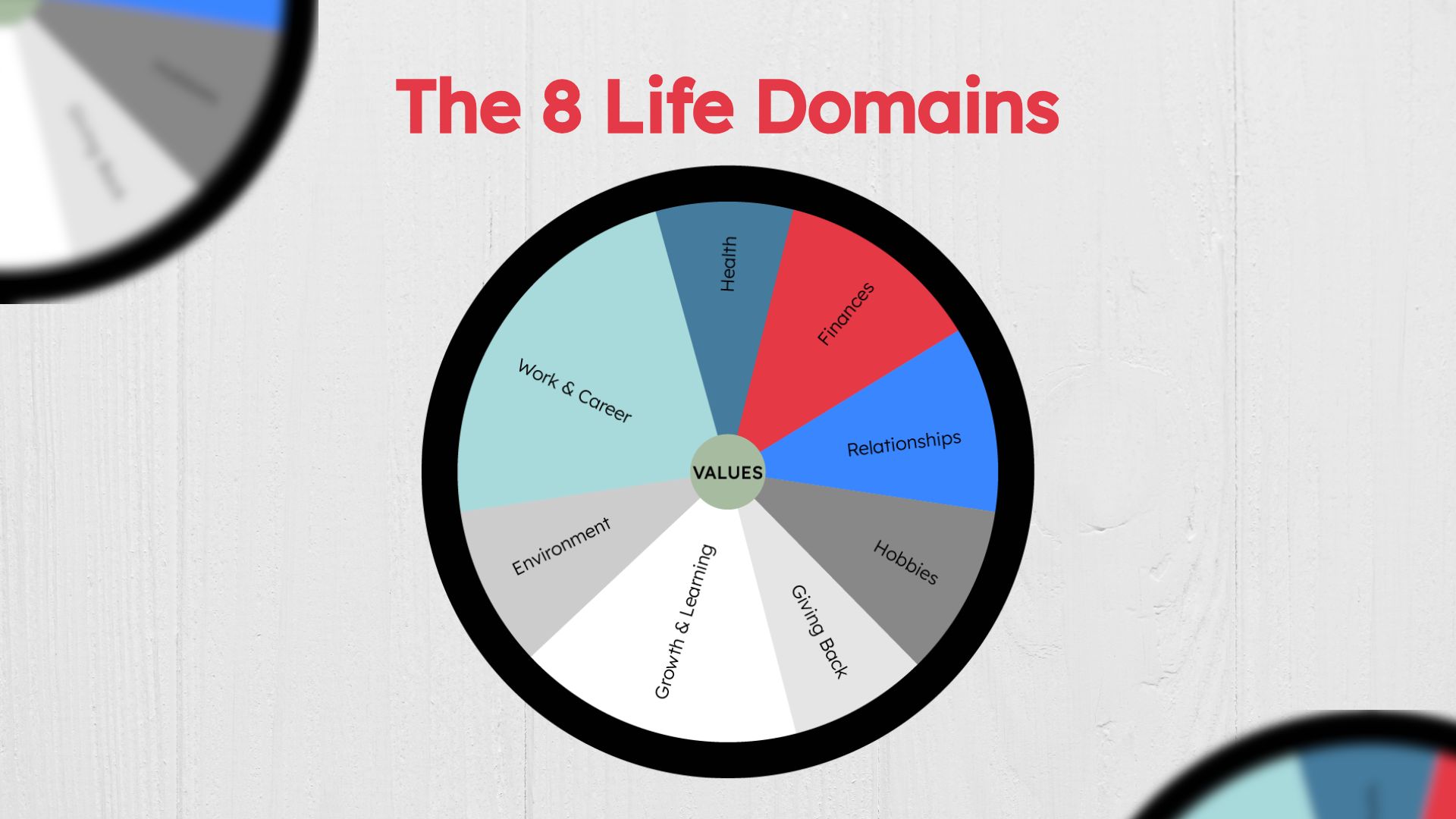
➤ Strategic Prioritization: A method for evaluating trade-offs across life domains (work, health, relationships, personal growth) when they inevitably conflict.
➤ Context-Aware Guidance: Recognition that different life stages and circumstances require different approaches. What works at 25 won’t work at 45. What works for entrepreneurs differs from what works for parents.
➤ Continuous Adaptation: Not a one-time plan but an ongoing system that helps you adjust as circumstances change, goals evolve, and you learn what actually works for you.
➤ Integration, Not Isolation: A framework that works with your existing tools and commitments, not against them. You keep your project management app, your calendar, your habits. OneLife helps you orchestrate them.
This is what Ariely calls for when he talks about applying behavioral economics to real-world challenges: practical systems that acknowledge human nature rather than fight it.
Breaking the 120-Year-Old Mindset
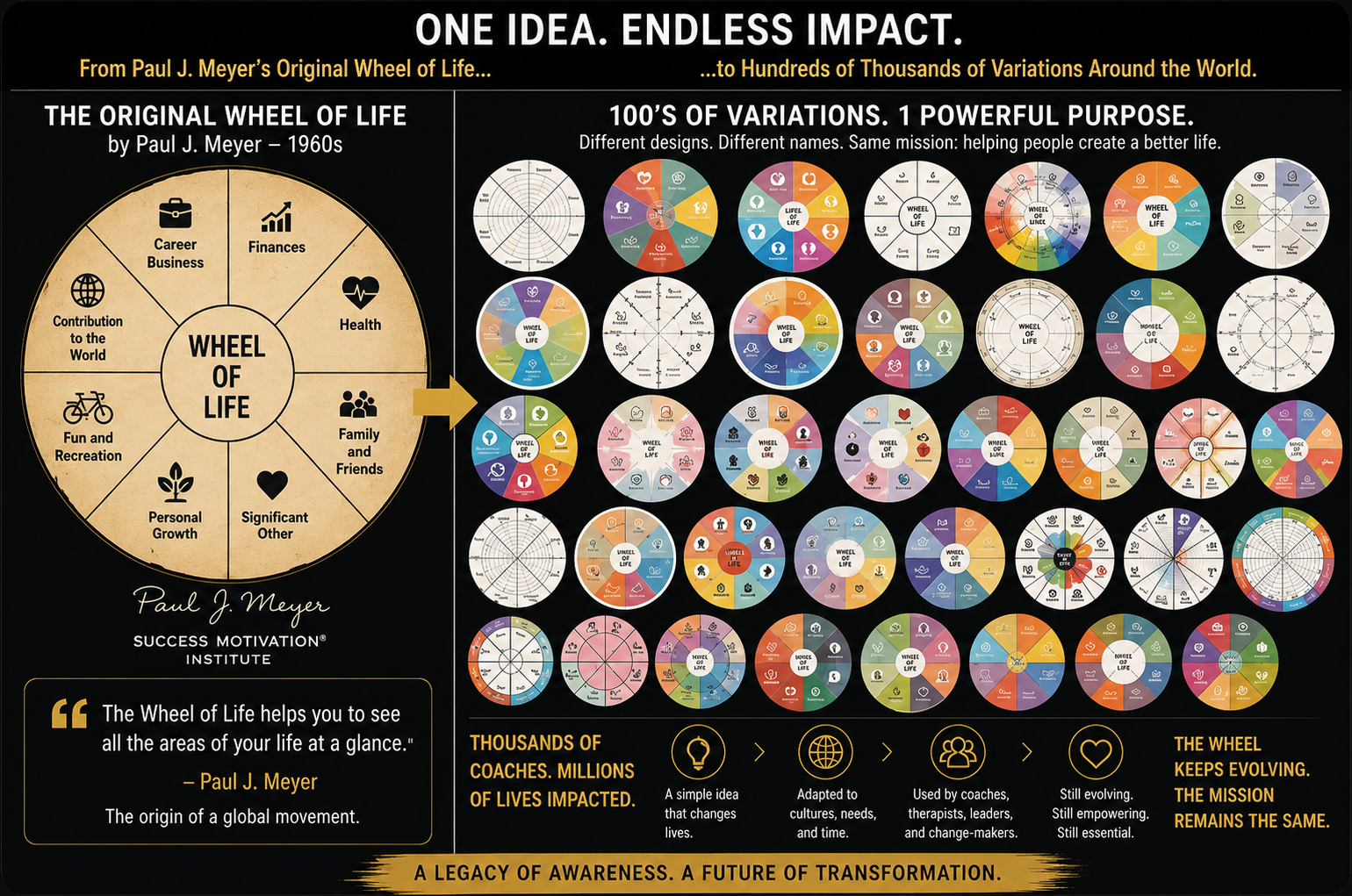
For over a century, we’ve approached life strategy with the same basic model: set goals, make plans, execute tasks. It’s linear. It’s industrial. And it assumes we’re far more rational than we actually are.
Dan Ariely’s work (and the broader field of behavioral economics) has shown this model is fundamentally flawed. Yet most tools and coaching approaches still operate within it. They’re optimizing the wrong things.
OneLife represents a paradigm shift. Not incremental improvement to goal-setting. Not a better to-do list. But a recognition that life strategy needs an entirely different layer of thinking.
Early beta testing confirms what Ariely’s research predicts: when people have a framework for navigating the messy middle, everything changes. They’re not more disciplined. They’re not working harder. They’re making better decisions because they have a system that accounts for how humans actually think and behave.
From Research to Reality: Solving the Messy Middle
Dan Ariely doesn’t just study irrational behavior, he builds solutions. He’s co-founded companies like Irrational Capital and initiatives like the Center for Advanced Hindsight because he believes behavioral science should be actionable, not just academic.
This is OneLife’s mission too. Take decades of research on decision-making, cognitive biases, and human behavior (from Ariely, from Kahneman and Tversky, from the entire field of behavioral economics) and translate it into a practical tool that helps people navigate their actual lives.
Not theory. Not another framework to learn and forget. But a living system that becomes part of how you think, decide, and live.
Because the messy middle isn’t going anywhere. Life is complex. Trade-offs are inevitable. Cognitive biases are hardwired. But with the right framework (one that’s grounded in how humans actually work) you can navigate it successfully.
The Future of Life Strategy
Dan Ariely’s research has revealed the problem. We’re predictably irrational. We make systematic errors. We struggle with decisions that require weighing short-term costs against long-term benefits, or balancing competing priorities across different life domains.
OneLife is building the solution. A strategic life system designed for the messy middle. A framework that acknowledges your irrationality and works with it. A tool that doesn’t replace your goals or your tasks but helps you navigate between them with clarity, confidence, and research-backed wisdom.
This is what happens when behavioral science meets practical application. When decades of research on human decision-making gets translated into a tool you can actually use.
The messy middle has been invisible for too long. Thanks to researchers like Dan Ariely, we now understand why it exists. Thanks to OneLife, we finally have a way to navigate it.
Welcome to the future of life strategy. Welcome to OneLife.