


Executive Summary
Burnout is not a temporary crisis. It is the predictable outcome of a life operating system built on assumptions that no longer reflect modern reality.
Treating burnout symptoms without redesigning life structure prolongs misalignment. It normalizes dysfunction and traps individuals in recurring cycles of exhaustion and recovery.
The ONELife Life Strategy Operating System represents a paradigm shift: from burnout recovery to structural life alignment.
The Truth About Burnout
Burnout is structural misalignment. It emerges when effort becomes disconnected from identity, values, and purpose. Burnout is not a weakness. It is the nervous system’s signal that the architecture of life itself is no longer stable.
Historical Context
In 1905, Max Weber described the rise of work-centered identity. In the 1970s, work-life balance emerged as a corrective. Both models were necessary for their time. Both are now structurally obsolete in an AI-driven, globally connected, remote-first economy.
The Rise of the Burnout Industrial Complex
Authors on the subject of burnout, such as Emily Nagoski, Christina Maslach, Jonathan Malesic, Oliver Burkeman, and Emily Ballesteros, and life coaches including Tony Robbins, Mel Robbins, James Clear, Brendon Burchard, Jay Shetty, and Simon Sinek, have helped millions recognize burnout.
Platforms such as Headspace, Calm, BetterHelp, Talkspace, BetterUp, and CoachHub provide valuable recovery tools.
And hundreds more.
These solutions help individuals recover, but within the same outdated structural system.
Recovery becomes recurring maintenance, not structural resolution.
Capitalism at its finest.
Structural Shifts Driving Burnout
Artificial intelligence is redefining human work. Remote work has eliminated physical boundaries. Globalization has created continuous competition. Digital connectivity has removed psychological off-switches. Lifespans have extended.
Human life has changed structurally.
The operating system has not.
Burnout is the result.
Generational Impact
All four working generations are affected. Baby Boomers face identity disruption. Generation X faces peak structural pressure. Millennials experience unprecedented burnout. Generation Z prioritizes alignment over traditional career identity.
💡 The root cause is structural misalignment.
The Paradigm Shift: From Bicycle to Unicycle
For more than 120 years, life has been modeled as a bicycle: two separate wheels for work and life. Individuals were told to balance (and later integrate or harmonize) between them or try to answer, do I live to work or work to live? Which is the front wheel and back wheel?
This model created fragmentation.
ONELife introduces a unicycle model: one aligned system to create a life rhythm.
➜ Purpose stabilizes identity like the seat
➜ Values connect identity to action like the axle
➜ Execution drives forward movement like the pedals
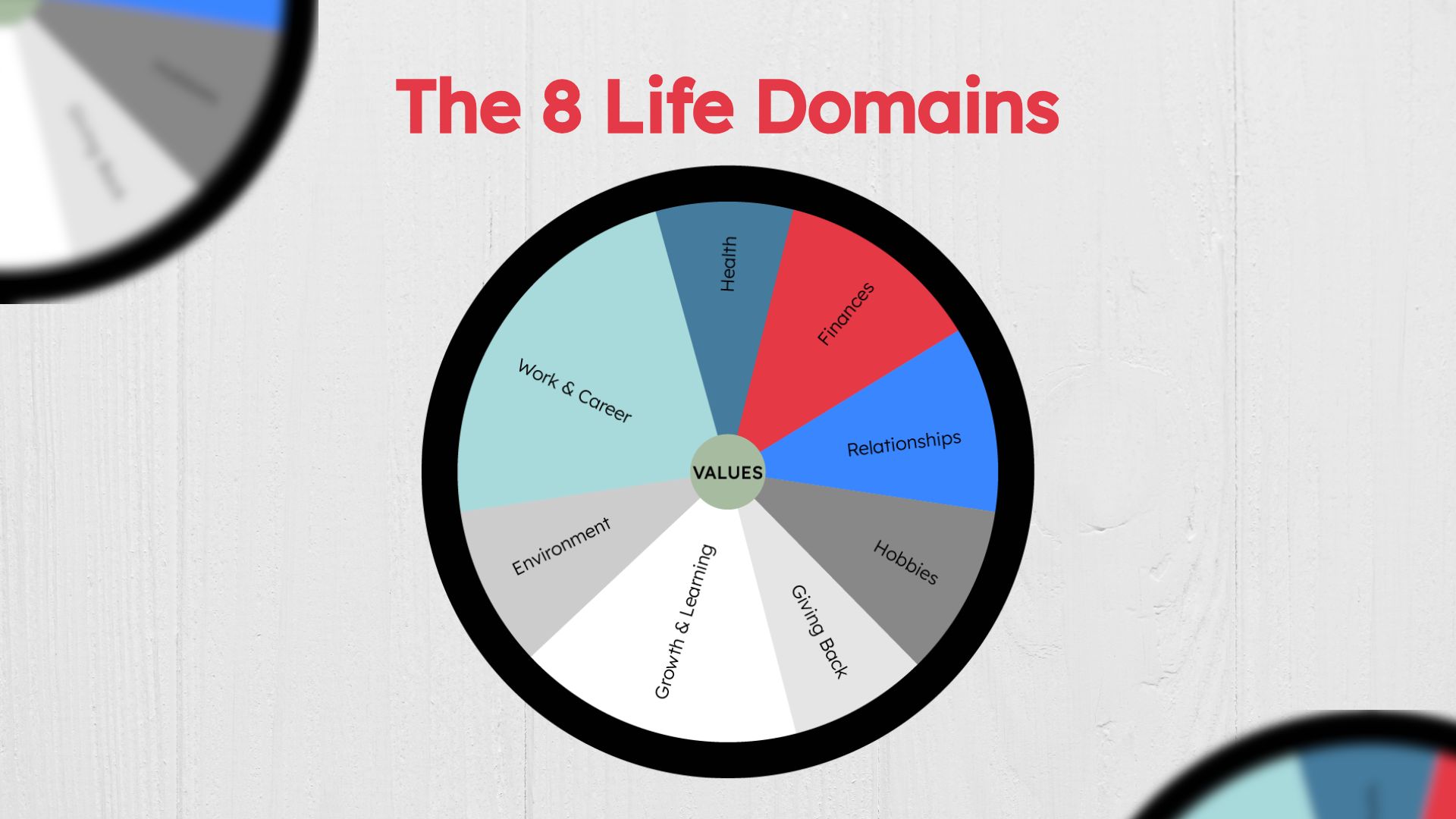
➜ The aligned life domains form the wheel
All components operate as one system.
This represents a fundamental paradigm shift: from balancing separate domains to aligning a unified life structure.
The ONELife Life Strategy Operating System institutionalizes this alignment through Profile, Objectives, Strategy, and Tactics, with a focus on life strategy, aka, the messy middle, because strategy has been reserved for business, and it’s hard. But now, ONELife has made it easy for our one life.
Effort becomes sustainable.
Burnout becomes structurally unlikely.
The Institutional Imperative
If this new life operating system is not institutionalized, the consequences will accelerate.
Burnout rates are expected to rise across all generations. Mental health instability will grow. Human identity will become more fragmented. Productivity will decrease despite increased effort.
Organizations will face declining engagement, rising turnover, and structural instability.
Entire generations may spend their lives managing burnout rather than achieving alignment.
Human potential will remain constrained, not by capability, but by structural design.
This shift is not optional.
It is necessary.
Conclusion
Burnout is not a personal failure.
It is an operating system failure.
The operating system of modern life must evolve.
Life is not something to balance.
Life is something to architect.