
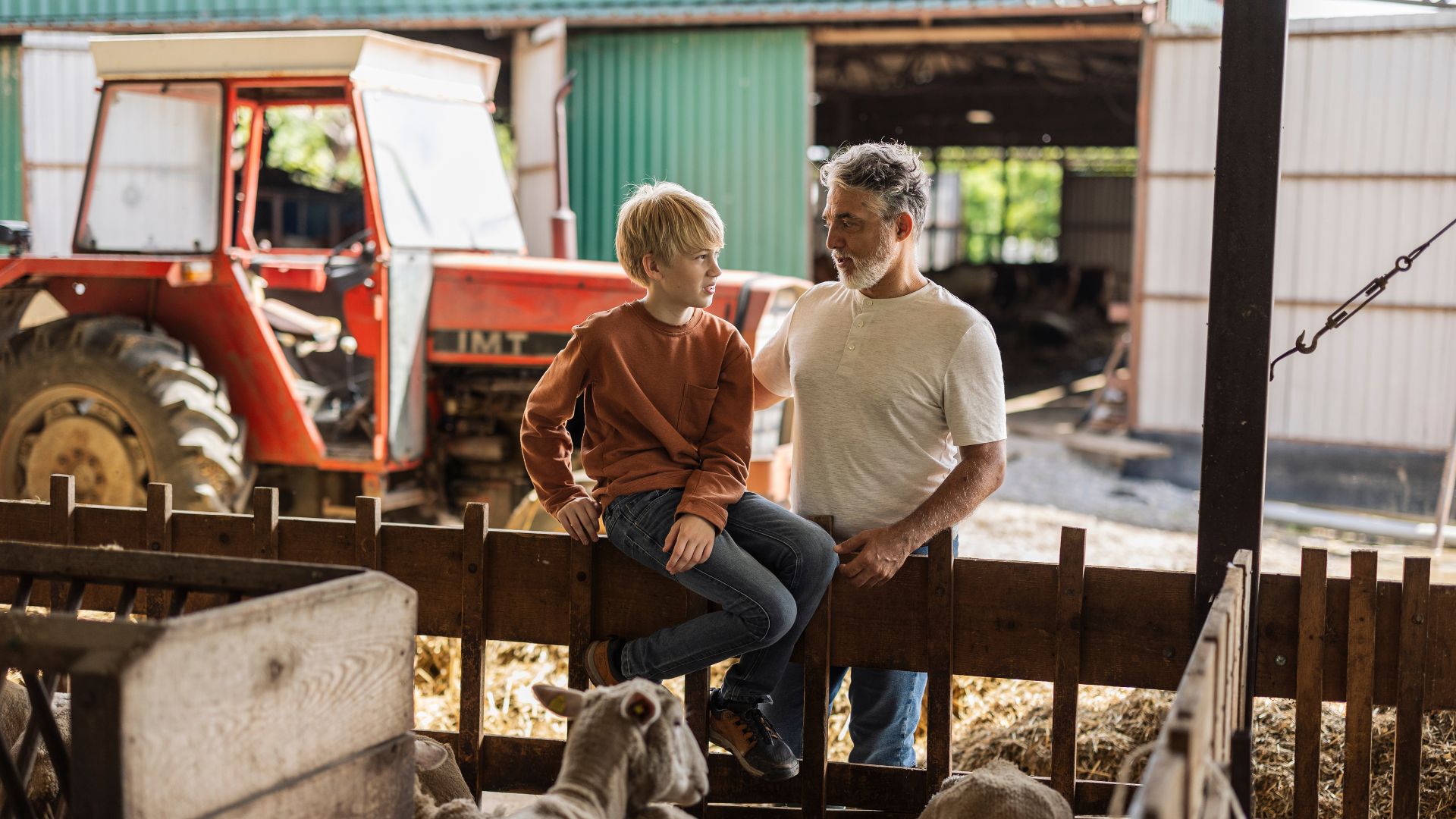

I grew up in Nebraska in the 1960s and ’70s, when life was simple, honest, and the smell of fresh-cut alfalfa mixed with the sound of grain trucks rumbling down two-lane highways. Back then, in our part of the world, beef wasn’t just dinner. It was identity.
My dad used to say the best beef came from corn-fed cattle. He never mentioned grass-fed, not once. In his mind, corn-fed meant progress, pride, and the taste of the good life. It was the flavor of America on the rise. Nebraska cornfields stretched to the horizon, feeding the feedlots, feeding the families, feeding the nation. The phrase “corn-fed” carried weight. It meant tender, marbled, flavorful, and most importantly, ours.
Nobody talked about omega-3s or CLA back then. Nobody debated carbon footprints or feedlot ethics. We didn’t even know “grass-fed” was a thing. That was just what the cattle ate before they grew up enough to be finished right. Dad’s generation trusted the system because the system worked, and in postwar America, more, faster, and better was the recipe for everything from engines to ribeyes.
To a Nebraska farmer in 1968, “grass-fed beef” would’ve sounded like an insult, like something stringy from a half-wild steer on a dry range. Corn-fed meant civilization, abundance, and modernity. It was the culmination of American ingenuity in one perfect, juicy bite.
When the World Changed What We Valued
Fast-forward half a century, and now we talk about Wagyu and Kobe beef like they’re luxury wines. The same people who once bragged about “corn-fed” now whisper reverently about “marbling scores” and “A5.” My dad would’ve laughed out loud at the idea of massaging cows or feeding them beer. He’d probably shake his head and say, “Son, if you need to pamper your beef, you’re doing something wrong.”
But deep down, he’d appreciate the same thing those Japanese ranchers do: the pursuit of perfection, the respect for the animal, and the art of doing one thing really well. In a strange way, Wagyu is just another language for what Nebraska farmers already knew: when you take care of what feeds you, it shows on the plate.
Time moves on. The world changes. We’ve traded corn silos for data clouds and handwritten ledgers for AI dashboards. But the lesson stays the same: what you feed, whether it’s your body, your work, or your soul, determines what you become.
The ONELife Connection
My dad never used words like alignment or strategy, but he lived them every day. That’s ONELife in motion: feeding what matters most, staying true to your roots, and realizing that even as the world evolves, some truths still taste the same.
💡 Dad’s generation had Wendy’s asking, “Where’s the beef?” a challenge to prove something real behind the bun. Today, Arby’s shouts, “We have the meats,” a proud declaration that there’s plenty to go around.
Somewhere between those two lines is life itself: the search for substance and the celebration of what we’ve built.
What Are You Feeding?
Whether it’s a meal, a mission, or a meaning, the real question never changes: What are you feeding?
Your time? Your attention? Your energy? Your relationships? Your health? Your purpose?
In a world that tells you to optimize everything, ONELife asks a simpler question: Are you feeding what actually matters?
Because you can feed productivity and starve connection. You can feed ambition and starve health. You can feed appearances and starve authenticity. You can feed the urgent and starve the important.
The corn-fed versus grass-fed debate isn’t really about cattle. It’s about what we value, what we prioritize, and what we’re willing to sacrifice for the life we think we want versus the life we actually need.
My dad fed his land, his family, and his values. He didn’t have eight life domains mapped out on an app. He didn’t track his Life Strategy Intelligence score. But he knew what mattered, and he fed it daily.
That’s the standard.
From Nebraska to Now
The transition from “Where’s the beef?” to “We have the meats” mirrors a larger cultural shift. We moved from scarcity thinking (prove you have something real) to abundance thinking (look at everything we can offer).
But abundance without alignment is just noise. Having the meats doesn’t matter if you’re feeding the wrong things.
➜ You can have all the productivity tools and still feel empty
➜ You can have all the success markers and still feel misaligned
➜ You can have all the options and still lack direction
ONELife isn’t about having more. It’s about feeding better. It’s about knowing what belongs on your plate and what doesn’t. It’s about building one integrated life where every domain supports the others, where your daily actions match your stated values, where success doesn’t require sacrificing the things that make success worth having.
The Real Question
In the end, ONELife isn’t about where’s the beef or who has the meats. It’s about making sure what’s on your plate, and in your life, is worth the work.
My dad understood that without ever saying it. He fed what mattered. He stayed aligned to his values. He built a life that made sense as one system, not separate competing parts.
That’s the Nebraska wisdom that lives inside ONELife: Feed what matters. Stay true to your roots. Let the world change around you, but keep feeding the things that make you who you are.
Ready to discover what you’re actually feeding? Download the ONELife app to see which of your life domains are well-nourished and which ones are starving for attention. Because knowing what’s on your plate is the first step to building a life worth living.