
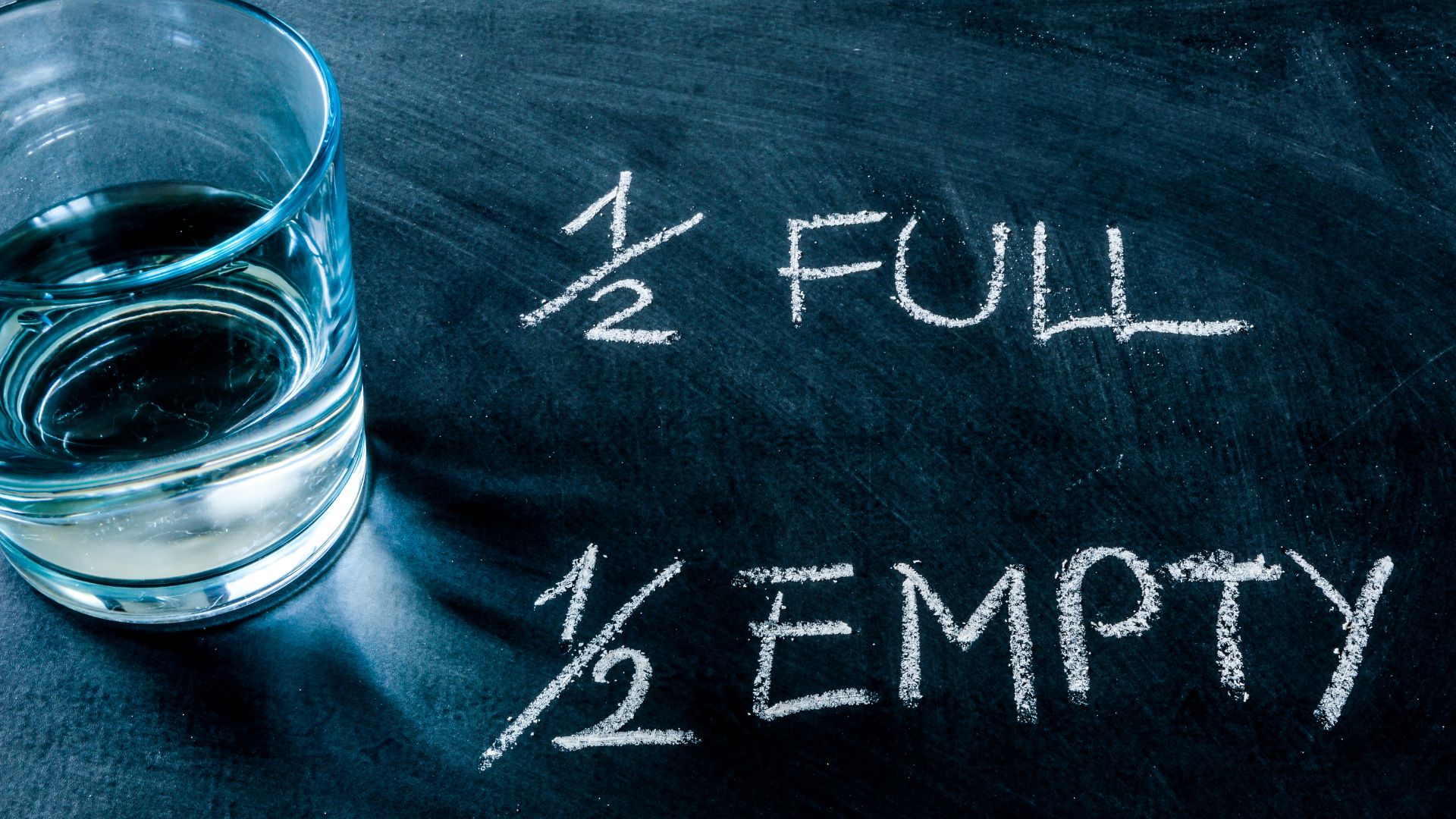

Shout out to Vince Beese of RedZone Selling, who I follow and support, and who recently posted: “Because in the end, it’s not about how full the glass is. It’s about what you do with what’s in it.”
This is about life alignment strategy, not just mindset.
I love the framing of optimistic, pessimistic, and opportunistic. But at ONELife, we look at the glass differently.
The real question isn’t whether it’s half full or half empty.
And it’s not even what you do with what’s in it.
It’s this:
Is the glass you’re holding even the right one for the life you want?
The Problem with Optimizing the Wrong Glass
Most people spend years optimizing the wrong glass: wrong goals, wrong priorities, wrong tradeoffs. They never step back and look at their entire life as a system.
They’re optimistic about career growth while their health deteriorates.
They’re opportunistic about a promotion while their relationships suffer.
They’re filling the glass with the right attitude but the wrong contents for the life they actually want to live.
This isn’t a mindset problem. It’s a systems problem.
You can be as optimistic, opportunistic, or action-oriented as you want. But if you’re optimizing one domain while draining three others, you’re not winning. You’re fragmenting.
Why Mindset Alone Doesn’t Create Alignment
The self-help industry has spent decades telling us that mindset is everything.
Be more optimistic. See the glass as half full. Be more opportunistic. Do more with what you have. Be more grateful. Appreciate what’s already there.
All useful. All true in their own right.
But none of them answer the fundamental question: Are you pouring energy into the right glass?
You can have the best mindset in the world and still be:
➜ Chasing goals that don’t serve your purpose
➜ Saying yes to opportunities that violate your values
➜ Optimizing one domain while three others collapse
➜ Winning at work while losing at health, relationships, and peace
Mindset shifts don’t fix misalignment. They just make misalignment more enthusiastic.
A life alignment strategy addresses this by looking at all domains simultaneously.
What the Glass Metaphor Misses
The traditional glass metaphor: half full, half empty, or “what you do with it” assumes the glass itself is a given.
It assumes:
➜ The glass is the right size
➜ The glass is in the right place
➜ The contents are what you actually need
➜ The act of filling it serves your larger purpose
But what if the glass represents a career path that drains your energy? What if it represents goals you inherited instead of chose? What if it’s full of achievements that don’t matter to the life you’re actually trying to build?
Then optimism about the wrong glass just means you’re enthusiastically misaligned.
💡 The shift ONELife makes is simple but profound: before you decide whether the glass is half full or what to do with what’s in it, you need to know whether you’re holding the right glass in the first place.
The Eight Glasses You’re Actually Holding
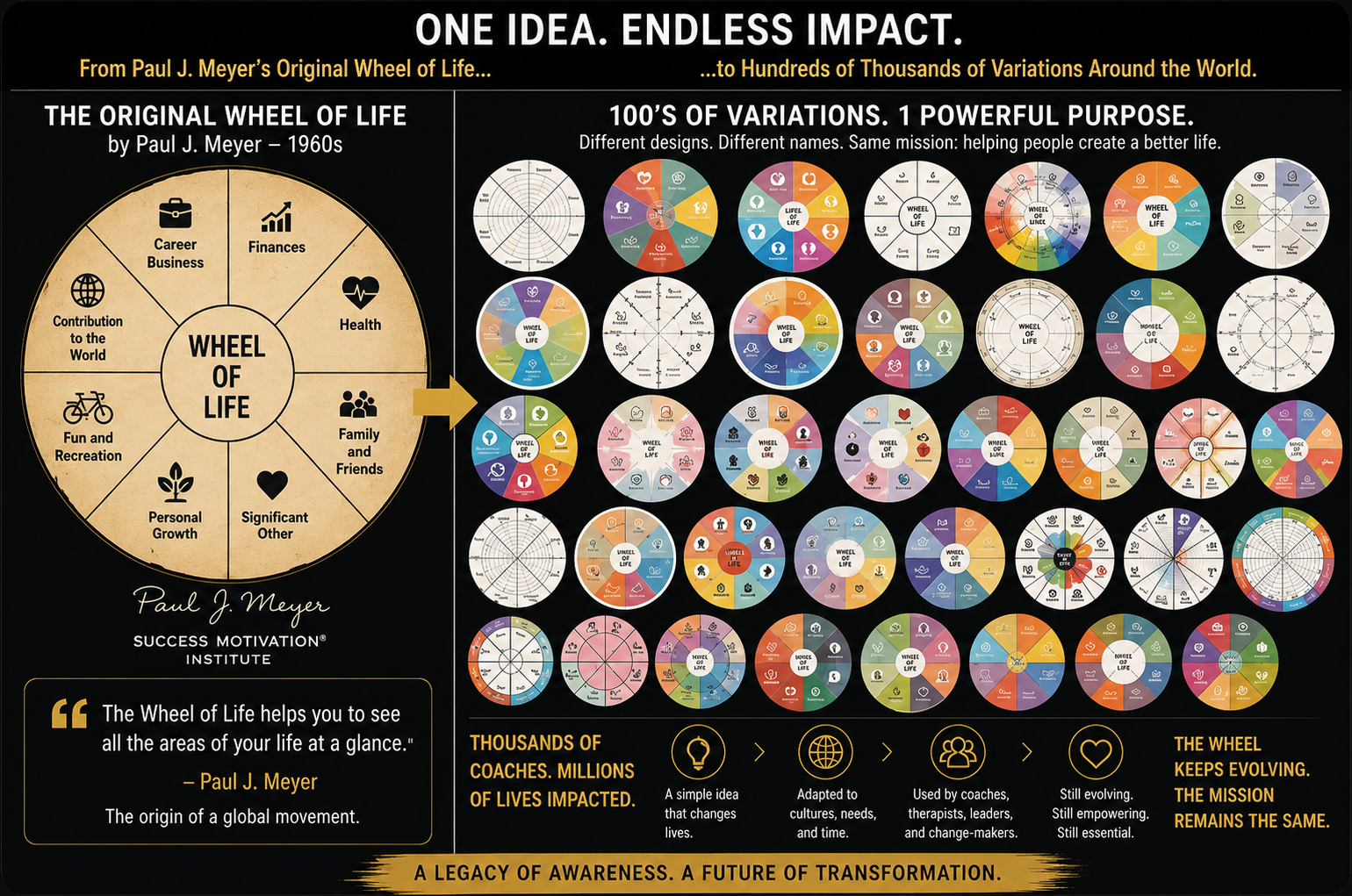
Here’s what most people miss: you’re not holding one glass. You’re holding eight.
- Work and Career
- Finances
- Relationships
- Health and Well-Being
- Hobbies and Personal Passions
- Giving Back
- Growth and Learning
- Environment
Most people optimize one or two glasses while the others sit empty, overflow, or crack under neglect.
They fill the career glass to the brim while the health glass runs dry.
They focus on the finance glass while the relationship glass shatters.
They pour everything into growth and learning while their environment glass collects dust and chaos.
This is what fragmentation looks like. And no amount of optimism, opportunism, or positive thinking fixes it.
What Alignment Actually Means
The real winners aren’t half full or half empty. They’re aligned.
They know:
➜ Which glass to choose
➜ What belongs in it
➜ When to pour more
➜ When to pour less
➜ And when to set it down entirely
Alignment isn’t about balance. It’s not about filling every glass equally or keeping them all at the same level.
It’s about ensuring every glass serves a unified purpose. That the contents of each glass reinforce the others instead of competing with them.
When your work glass supports your health glass instead of draining it, that’s alignment.
When your finance decisions strengthen your relationships instead of straining them, that’s alignment.
When your growth serves your contribution instead of just feeding consumption, that’s alignment.
How ONELife Changes the Question
At ONELife, we help people zoom out and make decisions across all eight domains of life, not just career or revenue.
Because the “opportunistic” move in one domain might be a drain in another.
The promotion that fills your career glass might crack your health glass.
The side hustle that boosts your finance glass might empty your relationship glass.
The networking event that grows your professional glass might violate the values in your purpose glass.
Without a life strategy system sitting above everything, you can’t see these tradeoffs. You just react to whatever’s loudest, shiniest, or most urgent in the moment.
ONELife provides the system that ensures all eight glasses work together.
Not through balance. Through strategic alignment.
ONELife provides the life alignment strategy system that ensures all eight glasses work together.
From Reaction to Intention
Optimism and pessimism are states of mind.
Opportunism is a strategy.
Alignment is a life system.
And when your life is aligned, the level in each glass matters far less because you’re drinking with intention, not reaction.
You’re not asking “Is this glass half full or half empty?”
You’re asking:
➜ Does this glass serve my purpose?
➜ Does the content align with my values?
➜ Does filling this glass support or compete with my other glasses?
➜ Is this the right glass for this season of life?
Those are the questions that create lives that work. Not just careers that succeed or bank accounts that grow, but whole lives that hold together across all domains.
Before you decide whether your glass is half full, half empty, or what to do with what’s in it, ask yourself:
Is this even the right glass?
And if you’re holding eight glasses at once (which you are), do they all serve the same purpose, or are they pulling you in eight different directions?
That’s the question ONELife helps you answer.
Because in the end, it’s not about optimism, pessimism, or opportunism.
It’s about alignment.
And alignment is what turns scattered effort into a unified life.
That’s the life alignment strategy ONELife helps you build.
Shout out to Vince Beese for the insight that sparked this reflection. And to Zach Messler, a Boomshackalacka Toastmaster who pours it very well.