


Introduction
Over the past century, human capability has been measured through successive intelligence models: IQ, EQ, SQ, and AQ. Each improved our ability to understand performance. Yet each focused exclusively on optimizing the individual. None measured the structural alignment of the life system itself.
ONELife introduces the Life Strategy Intelligence (LSI) Score. LSI evaluates whether an individual’s life structure, across four archetypes, enables sustainable performance or generates structural conflict.
The Intelligence Stack
IQ – Cognitive Intelligence
Measures reasoning, analysis, and problem-solving capability. Predicts competence and technical performance.
EQ – Emotional Intelligence
Measures emotional awareness, regulation, empathy, and emotional stability. Predicts leadership effectiveness.
SQ – Social Intelligence
Measures ability to navigate social systems, relationships, and organizational environments.
AQ – Adversity Intelligence
Measures resilience, persistence, and ability to endure adversity. Predicts performance under stress.
LSI – Life Strategy Intelligence
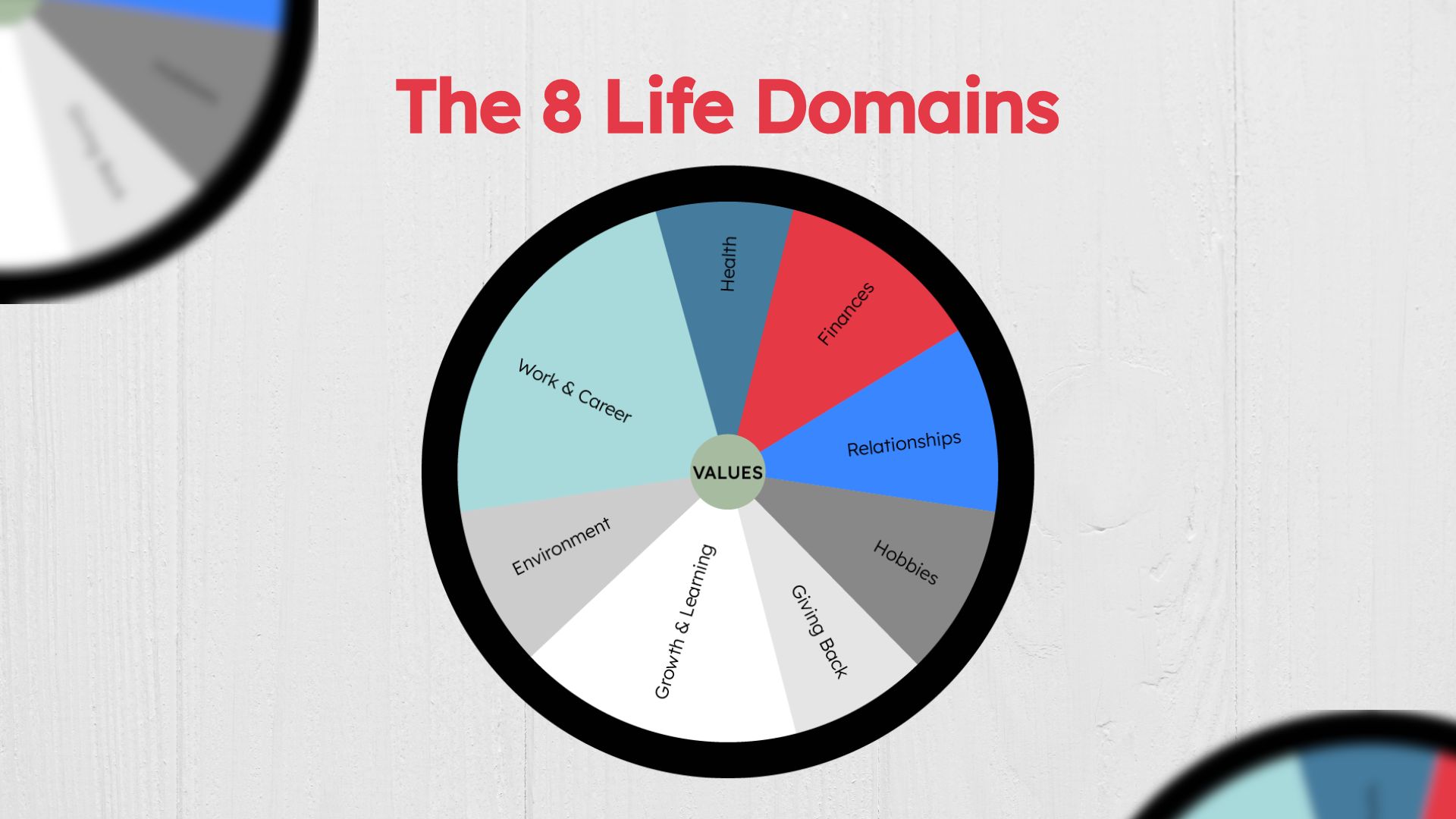
Measures structural alignment across Work & Career, Health, Relationships, Finances, Growth & Learning, Environment, Hobbies, and Giving Back. Predicts sustainable performance and leadership durability.
These intelligence forms combine differently across individuals, producing distinct performance archetypes. Understanding these archetypes reveals why capability alone fails to predict sustainable success.
Archetypes Comparison Table: AQ vs. LSI
| Framework | Archetype | Core Strategy | Behavior Pattern | Structural Outcome |
|---|---|---|---|---|
| AQ Original | Quitter | Avoid adversity | Withdraws under pressure | Stagnation |
| AQ Original | Camper | Stabilize | Stops progressing | Plateau |
| AQ Original | Climber | Endure adversity | Persistent effort | Success with strain |
| AQ Modern | Avoider | Avoid challenge | Risk minimization | Low growth |
| AQ Modern | Settler | Protect stability | Security focus | Plateau |
| AQ Modern | Striver | Push forward | Effort-driven advancement | Stress accumulation |
| AQ Modern | Thriver | Grow through adversity | Uses adversity to evolve | Growth through stress |
| LSI | Drifter | Reactive living | Externally driven | Structural misalignment |
| LSI | Juggler | Align demands | Constant task switching | Fragile stability |
| LSI | Climber | Achievement focus | High effort productivity | Burnout risk |
| LSI | Tightrope Rider | Maintain alignment | Rhythm under tension | Instability risk |
Paradigm Shift Required
For decades, modern life has been framed through the metaphor of a bicycle: two wheels that must be balanced between work and life. This framing gave rise to the dominant concepts of work-life balance, work-life integration, and work-life harmony. Each assumes that work and life are separate and competing forces that must be managed in tension.
This two-wheel model is structurally flawed. It forces individuals to constantly shift weight between competing priorities, creating chronic instability. Even high performers operating with strong IQ, EQ, SQ, and AQ often experience burnout, not due to lack of capability, but due to structural misalignment inherent in the two-wheel model.
ONELife introduces a fundamentally different model: the unicycle.
In the unicycle model, life is not divided between competing wheels. Instead, life operates as a single aligned system. Purpose forms the seat. Values form the axle. Guiding principles form the pedals. The eight life domains form the wheel itself.
Rather than balancing competing wheels, individuals build structural alignment within a single aligned system, which drives life rhythm. LSI ensures the wheel is structurally sound, enabling sustainable forward motion.
This represents a paradigm shift: from managing tension between work and life to designing structural alignment across the full life system.
➜ The bicycle model optimizes balance between competing forces.
➜ The unicycle model optimizes alignment within one system.
This shift is essential. Without structural alignment, capability produces burnout. With structural alignment, capability produces sustainable performance.
LSI provides the measurement framework required to operationalize this paradigm shift.
Alignment Intelligence as the Governing Layer
IQ, EQ, SQ, and AQ measure capability. They predict how effectively an individual can perform tasks, manage emotions, navigate social systems, and endure adversity.
However, capability alone does not determine sustainable performance. Capability applied within structural misalignment produces burnout, instability, and leadership failure.
💡 LSI determines whether capability compounds or conflicts.
When alignment is low, capability produces stress.
When alignment is high, capability compounds into sustainable performance.
LSI therefore governs the effectiveness of all other intelligence forms.
Expanded Use Cases: Business, Leadership, and Life Applications
Recruiting and Hiring
Most organizations hire using IQ proxies (education), EQ proxies (interviews), SQ proxies (culture fit), and occasionally AQ proxies (grit). Many also use personality assessments to predict behavioral fit and working style. These predict capability and compatibility, but not sustainability. Even a perfectly matched personality can burn out without structural alignment. LSI predicts retention, burnout risk, and long-term performance durability by measuring alignment across life domains, something capability and personality assessments miss entirely.
Leadership Promotion
Organizations often promote high performers based on capability and endurance. This promotes high-AQ Climbers who achieve through effort but may be structurally misaligned. LSI identifies leaders capable of sustainable leadership, reducing burnout and leadership turnover.
Executive and Founder Development
Founders often possess high IQ and AQ but operate in structural misalignment. LSI identifies structural conflicts early, allowing intervention before burnout, health decline, or leadership failure occurs.
Organizational Design
Teams built solely on capability often produce short-term performance but lack durability. LSI enables organizations to build structurally aligned teams capable of sustained performance.
Succession Planning
LSI predicts leadership sustainability. Capability metrics predict leadership potential, but not leadership durability.
Burnout Prediction and Prevention
Burnout is not caused by a lack of resilience. It is caused by structural misalignment. LSI measures structural misalignment directly, enabling burnout prevention.
Personal Life Strategy
IQ helps individuals solve problems. EQ helps manage emotions. SQ helps navigate relationships. AQ helps endure adversity. LSI enables individuals to design structurally aligned lives, reducing conflict and enabling sustainable performance.
Conclusion
IQ, EQ, SQ, and AQ optimize human capability. Alignment Intelligence and LSI optimize the life system itself. Alignment Intelligence represents the governing layer of sustainable performance and leadership durability.