
Core Identity vs. Part of Life Identity: How ONELife Connects the Center of Your Life to the Eight Parts of Life

Most people define identity only through work: “I’m a founder.” “I’m a doctor.” But work identity is just one role in one part of life. ONELife operates at two levels: Core Identity (Purpose, Values, Principles at the center) and Part of Life Identity (how you show up in each of eight areas). One identity. Eight expressions.
When the Drummer Stops, the Rhythm Lives On: A ONELife Reflection on Neil Peart, Purpose, and Legacy

Neil Peart didn’t just keep time. He defined it. For 45 years, he turned rhythm into philosophy. “The measure of a life is not in its length, but in its depth.” That’s ONELife thinking. Purpose isn’t found in balance. It’s found in rhythm. When the drummer stops, the rhythm lives on, in those who learned to move by it.
Why You Need a Life Strategy, Not Just a Plan: And the Framework That Finally Makes It Possible

Strategy governs companies, militaries, governments. But most people never apply it to their own life. The gap isn’t effort or competence. It’s strategy. POST (Profile, Objectives, Strategy, Tactics) is the first life operating sequence built for all eight parts of life. Not borrowed from business. Built for life. One seat, one wheel, one system.
The End of Tactical Culture: Why Habits, Hacks, and Hustle Advice Are Failing You

We’re living in the golden age of tactics: morning routines, biohacks, 10x sprints, atomic habits. Everyone tells you what to do. Almost no one asks whether those tactics belong together in one life. People aren’t failing from lack of discipline. They’re failing from lack of coherence. Strategy begins where exclusion begins.
Work-Life vs One Life: The Life Strategy System

For 50 years, Work-Life Balance treated work and life as competing forces on a bicycle: two wheels needing equilibrium. But life isn’t a bicycle. It’s a unicycle. One wheel, eight spokes (parts of life), unified by purpose. Work is one spoke, not one of two wheels. You can’t balance a unicycle. You design it.
Determination Day: Why Your Resolutions Died and What Science Says About What Actually Works

February 28th: Discouragement Day, when most New Year’s resolutions collapse. But it wasn’t your fault. Self-Determination Theory explains why: resolutions fail when motivation comes from external pressure, not internal direction. You need autonomy, competence, and relatedness across all parts of life. The problem isn’t motivation. It’s architecture. Don’t start over. Realign.
Another Brick in the Wall: What Pink Floyd Knew in 1979 That HR Still Hasn’t Learned
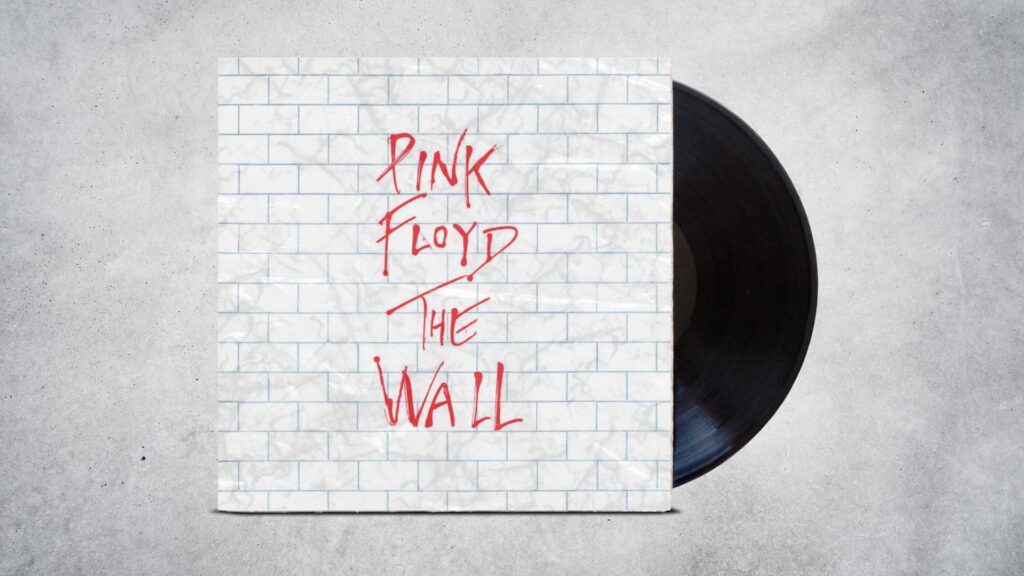
Pink Floyd released “Another Brick in the Wall” in 1979, the same decade work-life balance was institutionalized. The wall wasn’t just in schools. It was in every organization that asked humans to split in two. Four decades later, the wall is collapsing. Not because people got weaker. Because the pretense became unsustainable. You don’t have two lives. You have one.
CASE STUDY: LinkedIn’s Evolution Reveals the Collapse of the Work-Life Divide
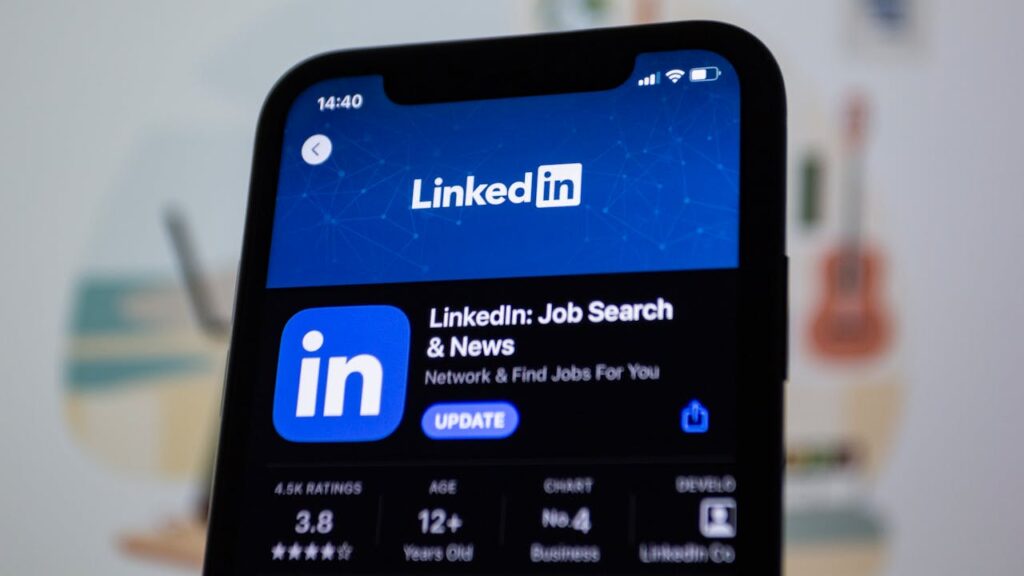
LinkedIn’s evolution from resume warehouse to human confession booth isn’t a product decision. It’s behavioral evidence of a deeper shift: the work-life divide has collapsed. Organizations built the wall and are now paying for it with burnout and attrition. ONELife is the system this movement was waiting for.
The Constraint Is Never Where You Think It Is

I spent decades watching Theory of Constraints transform businesses. Smart people would see the bottleneck everyone missed and solve in a day what baffled teams for a year. But the constraint doesn’t clock off when you do. Your life is a system too. ONELife makes ToC actionable across eight parts of life. The constraint is never where you think it is.
Parkinson’s Law Inside the ONELife Framework

Parkinson’s Law says work expands to fill time. Inside ONELife, that’s not a time problem. It’s a structure problem. When Seat (purpose), Axle (values), and Pedals (principles) are misaligned, tactics expand infinitely. Fix alignment, and execution compresses. We don’t optimize time. We optimize alignment and rhythm.