

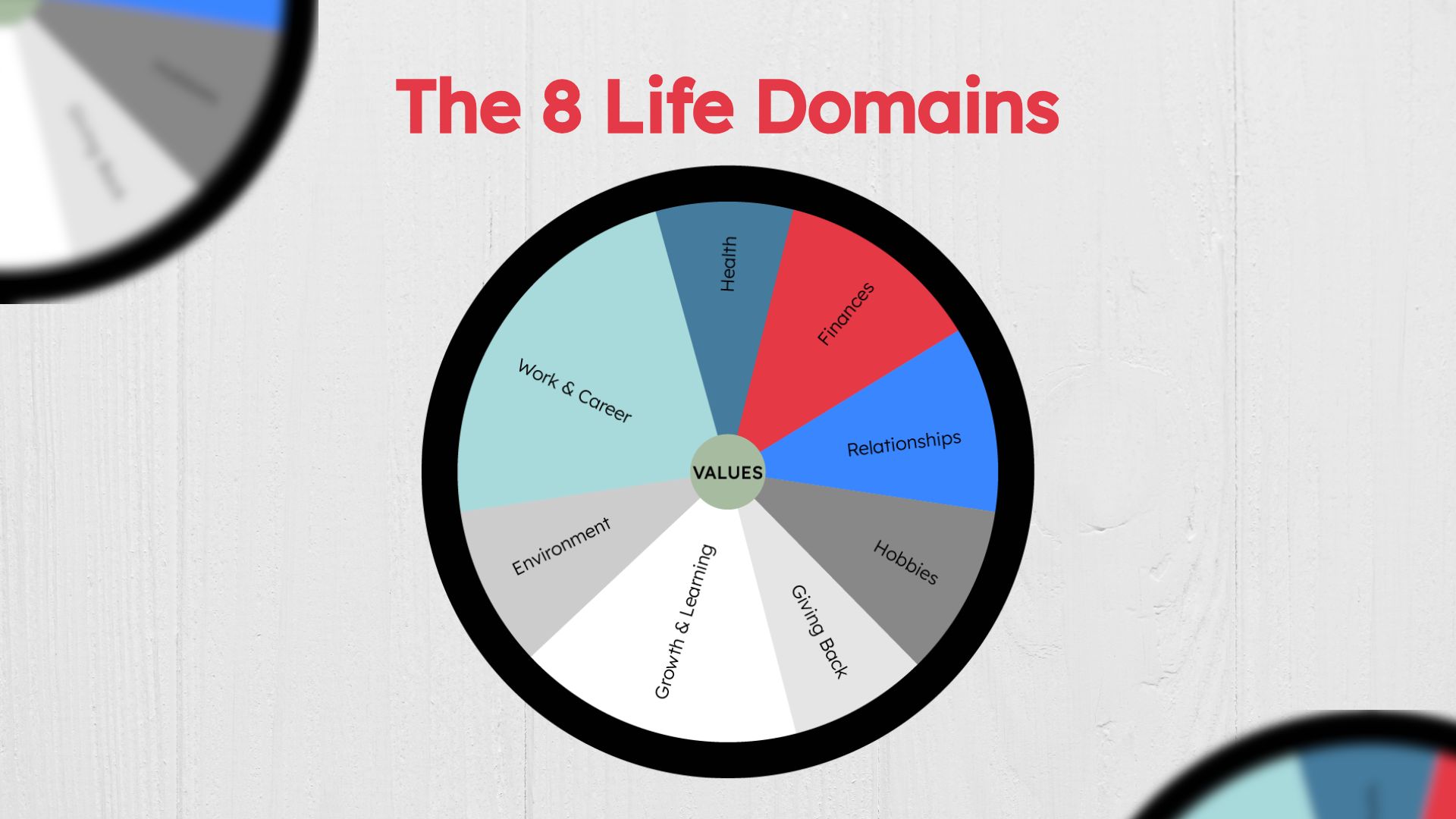

Everyone’s suddenly talking about whole-person leadership, whole-person employment, whole-person wellbeing.
But here’s the truth most folks don’t realize: There is no single inventor. No launch date. No guru behind it.
It didn’t arrive through HR frameworks. It re-emerged because something was broken.
The Ancient Truth We Forgot
For most of human history, work and life were intertwined. Living, producing, belonging, and contributing were the same thing.
The Industrial Revolution changed that.
Work became a function. People became roles. Identity became a job title.
And organizations ran with that model for approximately 150 years.
Burnout, alienation, disengagement, meaning crisis: all symptoms of a deeper fracture. We split people into two selves (worker vs human) and we’ve been trying to repair the damage ever since.
When the Language Finally Arrived
Whole-person language didn’t show up in corporate life until much later:
- Holistic medicine talked about it
- Humanistic psychology talked about it
- Social care systems talked about it
Business? Barely.
Only in the last 5 to 10 years (accelerated by the pandemic) did HR and People Ops start using “whole-person thinking,” not as theory, but as a survival response.
Not because someone invented it, but because people started breaking in plain sight.
💡 “Whole-person employment” has no founding father or mother because it isn’t a program. It’s a return to something ancient: recognizing that people don’t live in compartments.
Why ONELife Matters
We’re not claiming to invent whole-person thinking. We’re simply:
➜ Giving it structure
➜ Making it usable
➜ Turning humanity into capability
➜ Turning life clarity into performance
The need didn’t come from HR innovation. It came from human exhaustion.
The future belongs to whoever can help people live and work as a unified and aligned life, not two competing ones.
That’s the work we’re committed to.
ONELife, not two lives. Clarity over fragmentation. Rhythm over balance.
We didn’t invent the idea. We just finally made it practical.