

Most of us were taught that progress comes from pushing harder in the same direction. More effort. More optimization. More balance. More productivity.
But in complex human systems (careers, families, health, meaning) this instinct often fails.
What feels like progress can quietly become the problem.
This is the inversion principle behind ONELife: in life, up is often down, and down is often up.
The Inversion Principle
The inversion principle shows up across philosophy, systems thinking, psychology, and leadership. It is the idea that in complex systems, cause and effect are rarely linear.
Pushing harder in one direction eventually creates reversal.
- Control reduces performance
- Efficiency creates fragility
- Optimization creates burnout
- Balance creates imbalance
What looks like the solution at first often becomes the constraint later.
The Unicycle Truth: Stillness Is Not Stability
In the ONELife unicycle, something counterintuitive becomes obvious the moment you try it: it is practically impossible to stay upright by standing still.
To remain balanced, you must make constant, almost invisible adjustments: tiny movements forward and back, left and right. Stop moving, and you fall.
This is not failure. It is physics.
Life works the same way.
Stability does not come from freezing, optimizing, or locking everything in place. It comes from continuous micro-adjustments, guided by purpose, values, principles, and awareness.
💡 What looks like wobble from the outside is often the very thing keeping you upright.
Ancient Insight, Modern Reality
Long before modern management theory, Taoist philosophy captured this truth through Yin and Yang: opposites are not enemies. They are interdependent.
What rises contains the seed of decline. What is strong eventually weakens. What advances must also yield.
Modern systems thinking simply caught up.
Why Work-Life Balance Fails
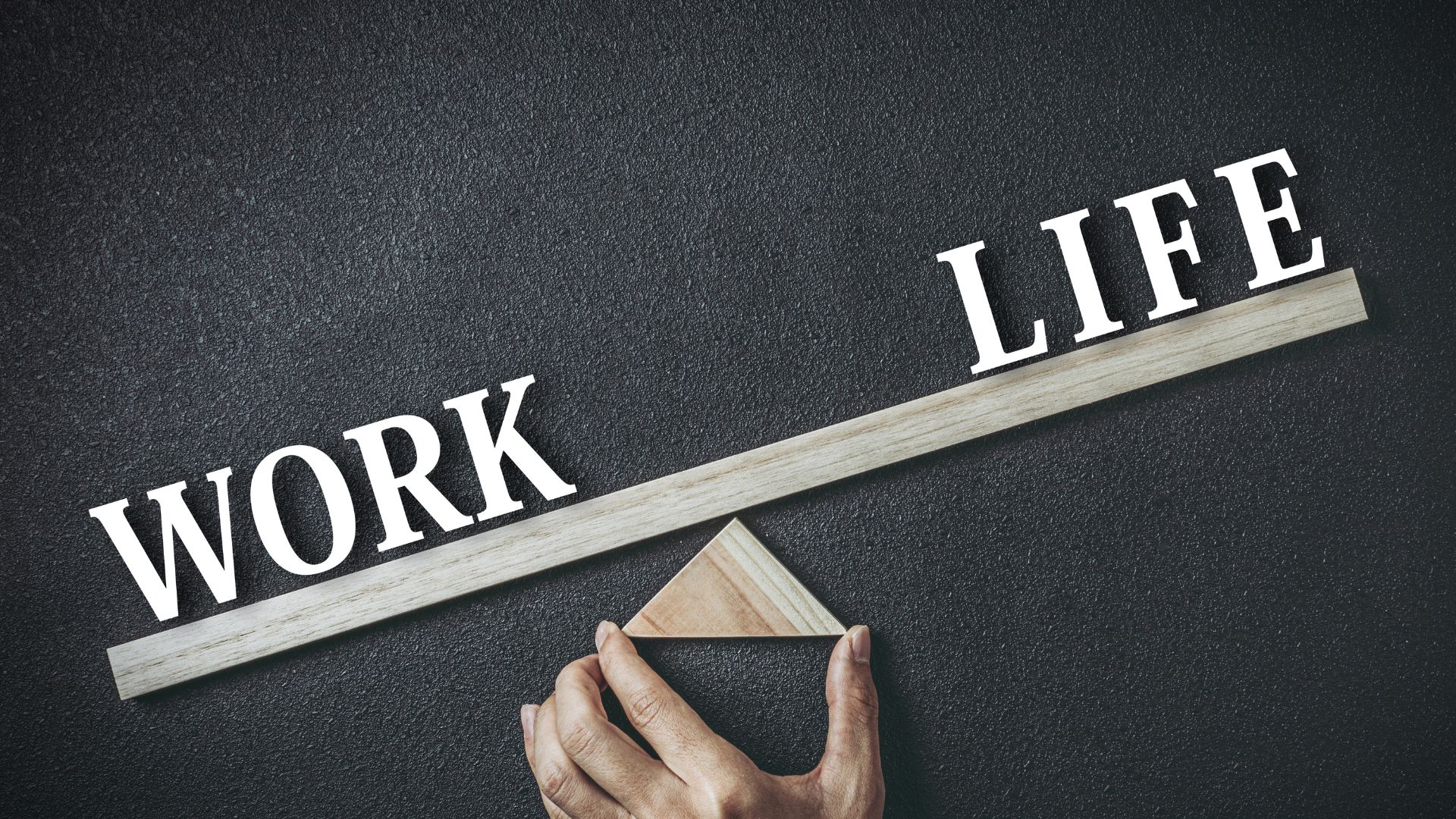
Work-life balance assumes life can be divided into competing halves. Push work down to lift life up.
But life does not work in parts.
When people try to balance harder, they fragment themselves further. The result is guilt, burnout, and constant trade-offs made without intention.
ONELife: A Different Direction
ONELife begins with a different assumption: there is only one life.
Work is not the enemy of life. Nor is life something to recover after work.
Life itself is the work that matters most.
The ONELife Manifesto
We believe life is not something to balance. It is something to lead.
We believe fragmentation creates exhaustion, not fulfillment.
We believe trade-offs are inevitable, but regret is not.
We believe progress comes from alignment, not optimization.
We believe purpose, values, priorities, and action must move together.
And we believe that when life feels stuck, pushing harder is rarely the answer.
Sometimes the way forward begins by turning around.
When the Solution Becomes the Problem
Burnout is not a failure of effort. It is a failure of direction.
Disengagement is not laziness. It is misalignment.
The ONELife framework exists to help people see the inversion, and choose a more coherent path forward.
One Life. One Direction.
Up is not always up. Down is not always down.
But alignment is always progress.
➜ Push harder inside a broken system and the system breaks you
➜ Align your direction first, and effort becomes momentum
ONELife is a unified life strategy for navigating the messy middle, by respecting how life actually works.