

Beyond IQ, EQ, SQ, and AQ: Alignment Intelligence and the Life Strategy Intelligence (LSI) Score

IQ, EQ, SQ, and AQ measure capability. But capability without alignment produces burnout. LSI measures structural alignment across your life system, revealing whether your strengths compound into sustainable performance or conflict into exhaustion. It’s the intelligence that governs all others.
Is Good Enough… Good Enough? A ONELife Perspective

Is “good enough” really good enough? David Brock’s book challenges complacency in performance, but ONELife asks a deeper question: Good enough for what, and at what cost? Performance without alignment is unsustainable. You can be excellent at your job while your health deteriorates. The real enemy isn’t “good enough.” The real enemy is misalignment. ONELife reframes “enough” as the level of performance sustainable across your whole life.
From Time Management to Life Design: A Bigger Conversation We’re All Part Of

Life design is the natural evolution of time management. Thinkers like Laura Vanderkam, Cal Newport, and James Clear have helped us move from busyness to intentional days. ONELife invites the next step: from intentional days to an integrated life. Time management answers “How do I structure my days?” Life design answers “What am I structuring my days toward?”
Less But Better: Why Greg McKeown’s Essentialism Needs an Operating System

Essentialism teaches you to focus on less but better. Greg McKeown’s framework is transformative, but it assumes you can identify what’s essential. For most people, that’s the hard part. McKeown gives you the filter (“Is this essential?”), but OneLife provides the framework: how to determine what’s essential when everything seems important. Strategy determines what. Essentialism determines how.
Will the 8 ONELife Domains of Life Still Matter in 20 Years?

Life strategy domains aren’t disappearing in the AI age. They’re becoming essential. As Gen Beta, Gen AI-X, and Gen Q navigate a world where technology handles execution, the 8 ONELife Domains provide the stable human architecture for intention, identity, and meaning. The old playbooks told us what to do. The future demands we decide who we want to become.
Tiny Habits, Strategic Direction: Why BJ Fogg’s Behavior Design Needs a Life Strategy Layer

BJ Fogg’s Tiny Habits revolutionized behavior change, but there’s a question nobody asks: are you designing the right tiny habits? Fogg shows you how to change behavior, not which behaviors to change. OneLife provides the strategic layer above behavior design, ensuring your tiny habits compound toward what actually matters. Strategy determines what. Fogg determines how.
The Architecture of Meaning: How Communication Systems Shape Reality
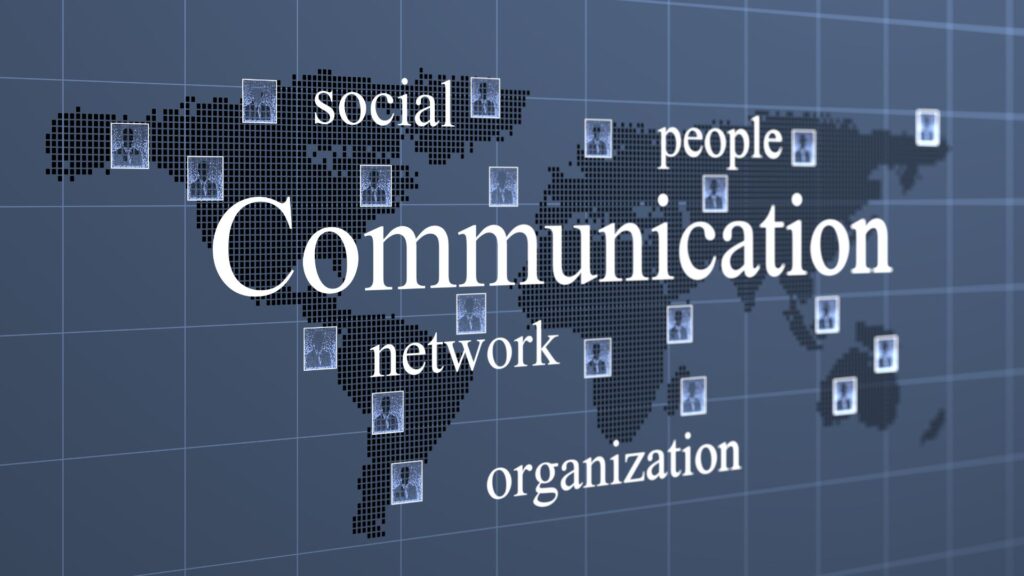
Communication systems break down into three parts: Messenger, Message, and Audience. When chaos dominates, the system itself is misaligned. Through business and political communication, I discovered that messages are outputs of deeper structures. This insight led to ONELife, a Life Strategy Operating System that replaces fragmented productivity tools with one integrated architecture for living.
The Science of the Messy Middle: How Dan Ariely’s Research Reveals Why We Need OneLife

The messy middle is where you get stuck between knowing what you want and actually achieving it. Traditional goal-setting apps and coaching programs miss this crucial layer. Behavioral economist Dan Ariely’s research shows we’re predictably irrational, struggling with hundreds of micro-decisions. OneLife is building a strategic operating system that works with human nature, not against it.
Deep Strategy: Why Cal Newport’s Research Shows We Need More Than Deep Work

You’ve mastered deep work. Calendar blocked, phone silenced, focus protected. But you stare at your screen, paralyzed by choice. Which deep work matters most? Cal Newport teaches HOW to focus. He doesn’t teach WHAT to focus on. That gap between attention and direction is costing you real progress.
Think Again About Life Strategy: Why Adam Grant’s Research Points to the Framework We’ve Been Missing

You’ve learned to think like a scientist about ideas. You update beliefs when evidence changes. But most people still operate like preachers and politicians about life strategy. We rethink opinions but defend decade-old priorities. That gap between intellectual flexibility and strategic rigidity costs real progress.