


Today is February 28th.
Researchers call it Discouragement Day. The day most New Year’s resolutions quietly collapse. Gym attendance drops. Habit streaks break. The motivation that felt so real on January 1st has quietly left the building.
But here’s what nobody tells you: it wasn’t your fault. And it wasn’t your effort.
It was your structure.
The Science Behind Why Resolutions Fail
In the 1980s, psychologists Edward Deci and Richard Ryan developed one of the most robust theories in behavioral science: Self-Determination Theory (SDT). Decades of research across cultures, age groups, and parts of life led them to one clear conclusion.
Human beings don’t fail because they lack willpower. They fail when their motivation comes from the wrong source.
SDT identifies two fundamentally different kinds of motivation. The first is external: doing something because of pressure, guilt, social expectation, or the collective energy of a new year. The second is internal: doing something because it connects to who you are, what you value, and where you’re genuinely trying to go.
💡 January 1st is almost entirely powered by the first kind. Which is exactly why February 28th looks the way it does.
What You Actually Need (According to the Research)
Deci and Ryan identified three core psychological needs that must be met for motivation to last. Miss any one of them and the drive eventually fades, no matter how disciplined you are.
Autonomy
The feeling that your choices are genuinely yours. Not imposed by social pressure or the calendar. Not driven by guilt about who you should be. When your goals come from external pressure rather than internal direction, SDT predicts exactly what happens: initial compliance followed by burnout and abandonment. Sound familiar?
Competence
The feeling that your effort is actually working. This isn’t about raw skill. It’s about being able to see the connection between what you do and what changes. Most people don’t quit because they stop trying. They quit because they can’t see how their efforts in one area of life connect to what’s happening in the others. Your health discipline isn’t touching your sense of purpose. Your work success isn’t improving your relationships. The effort feels disconnected from the outcome. That’s a competence crisis, and it has nothing to do with ability.
Relatedness
The feeling of connection to something and someone beyond yourself. Goals that live entirely inside your own head, disconnected from your values and the people who matter to you, lose meaning fast. This is why the lone resolution (“I’m going to exercise more”) has such a poor track record. It’s attached to no deeper story, no deeper why, no deeper us.
Three needs. Most resolutions meet none of them.
The Real Problem Isn’t Motivation. It’s Architecture.
Here’s the insight SDT points toward but most people miss: sustainable motivation isn’t something you generate. It’s something you build the conditions for.
You don’t try harder. You design better.
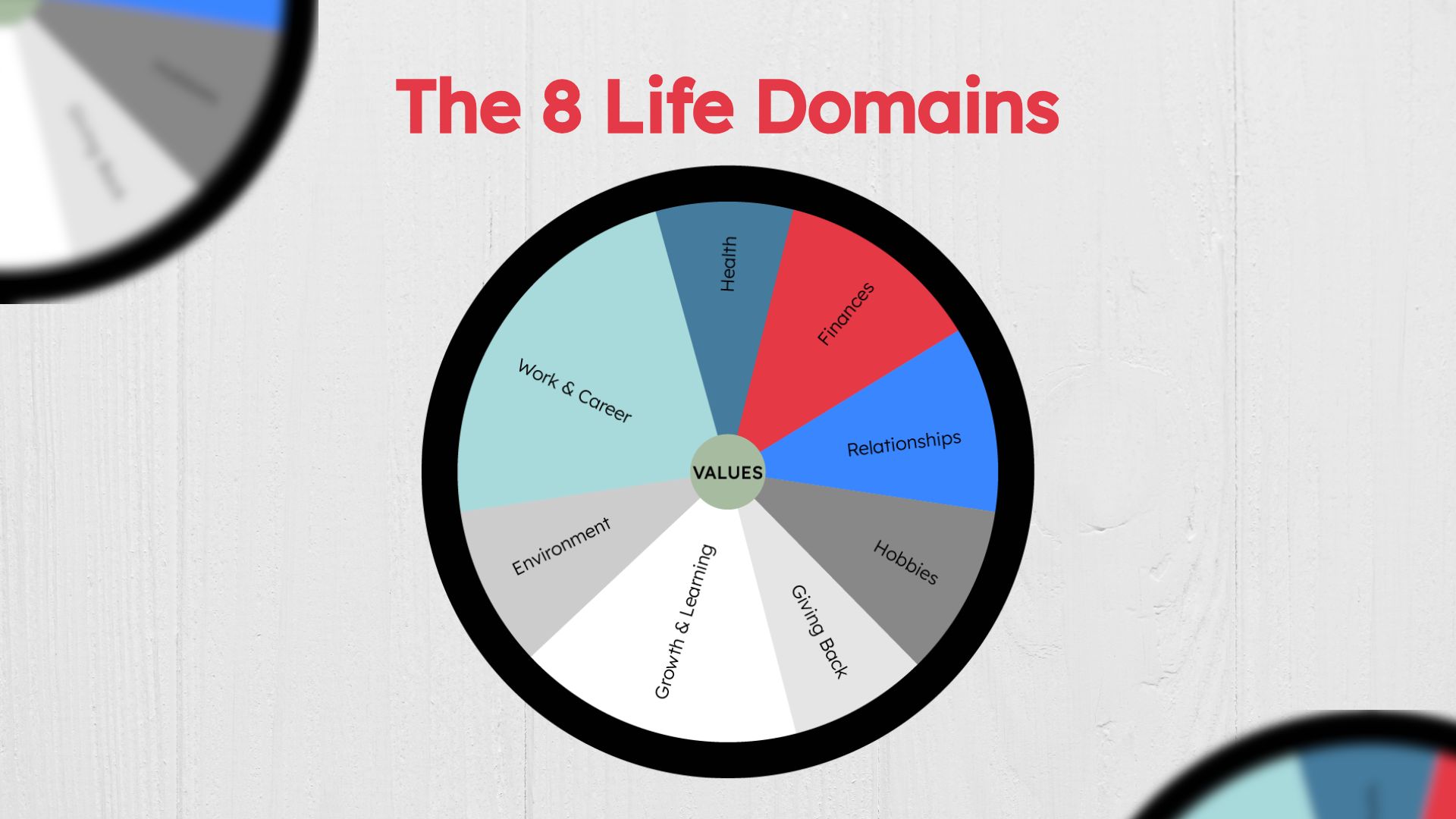
Most productivity tools, habit apps, and goal-setting systems are built to manage individual parts of your life. Your tasks. Your health metrics. Your financial goals. They’re not bad tools. But they’re solving the wrong problem because they treat your life as a collection of separate parts of life rather than one interconnected system.
When your work is thriving but your relationships are suffering, no habit tracker fixes that. When you’re getting fitter but losing your sense of purpose, no goal-setting framework closes that gap. That’s not a productivity problem. That’s a structural one.
And SDT explains exactly why: none of those tools address autonomy at the level of your whole life. None of them surface the connection between parts of life that creates genuine competence. None of them anchor your daily actions to the deeper relational and purposeful “why” that SDT identifies as the engine of lasting motivation.
What Determination Day Actually Means
We didn’t call today Discouragement Day. We called it Determination Day, not because you should push harder, but because this is the moment that actually matters.
When the hype has cleared. When the noise has settled. When you’re finally ready to ask the honest question: not “how do I get back on track” but “what kind of life am I actually trying to build, and does my structure support it?”
That’s the question SDT has been pointing toward for forty years. Purpose-driven, value-anchored, whole-life motivation doesn’t come from a better app or a stronger resolution. It comes from having a design for your life, not just a list of goals inside it.
➜ Don’t start over
➜ Realign
ONELife is the world’s first App-based, Whole-person Life Strategy System, built around the three things SDT says actually drive lasting motivation: autonomy, competence, and relatedness, applied across all eight parts of your life.
Because life is the work that matters most.