

For decades, people have been told to find balance. Work-life balance. Then integration. Then harmony.
These ideas sound healthy, but they subtly imply a problem that needs fixing, as if life were something broken that must be evenly distributed.
At ONELife, we reject that premise.
Life is not a set of competing compartments to balance, integrate, or harmonize. Life is motion to keep in rhythm. And strategy is not something you apply only to work. Life itself is the work that matters most.
This distinction matters because how you frame the problem determines the solution. A more useful way to think about life strategy is not balance, integration, or harmony, but intentional motion guided by clear principles and sustained over time.
This is where left-mode and right-mode thinking come in. Not as neuroscience. But as life strategy.
Left and Right Thinking as Strategic Modes
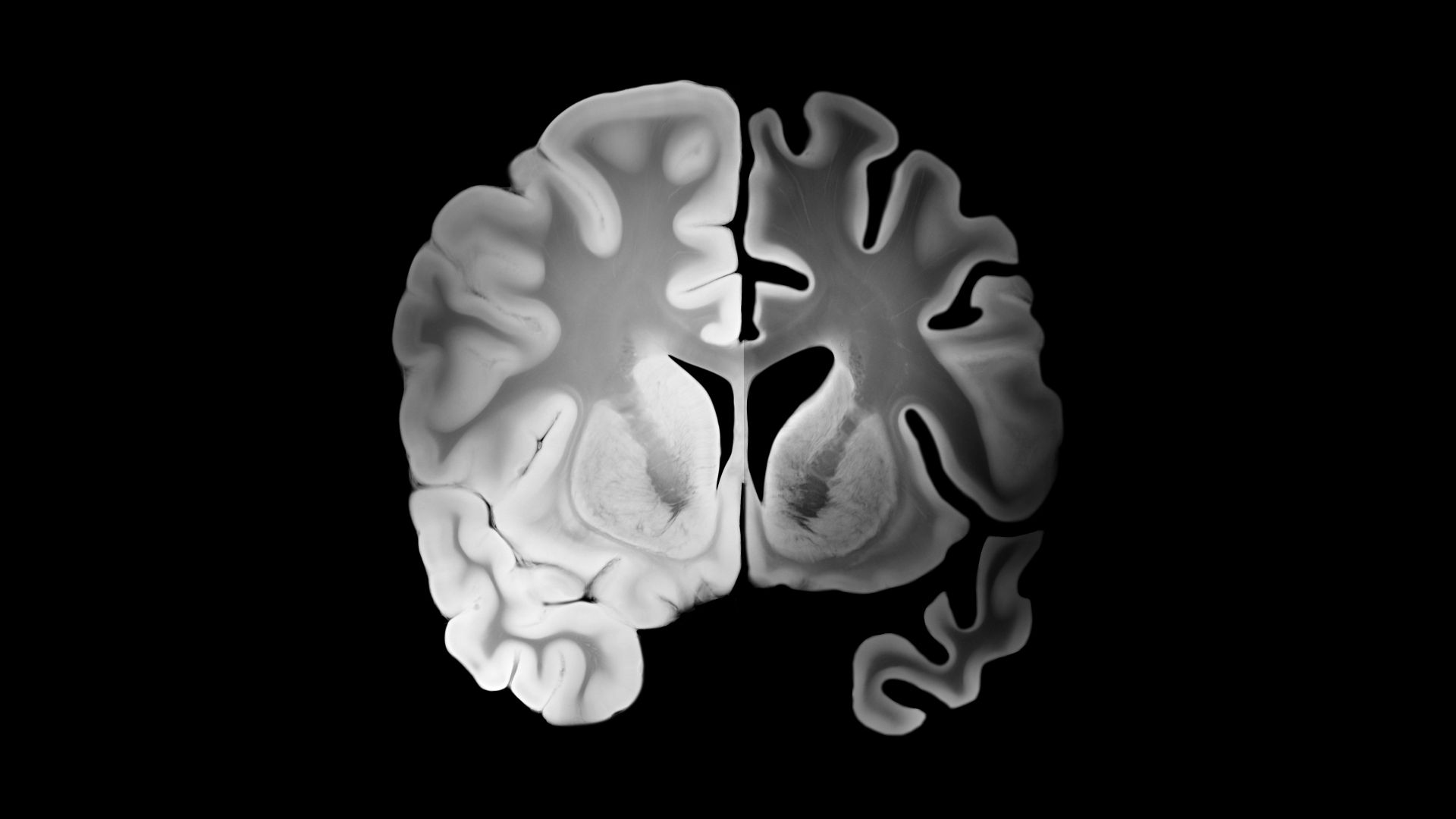
Modern neuroscience has shown that people are not literally “left-brained” or “right-brained.” Both hemispheres work together continuously. But as a functional metaphor, left- and right-mode thinking describe two distinct ways humans navigate complexity.
Left-mode thinking emphasizes:
- Logic
- Structure
- Planning
- Constraints
- Measurement
- Execution
Right-mode thinking emphasizes:
- Meaning
- Purpose
- Values
- Identity
- Intuition
- Empathy
ONELife does not ask you to integrate these modes into a static whole. It asks you to alternate and apply them intentionally, depending on where you are in motion.
This is not integration. It is orchestration.
Why Life Strategy Breaks Down
Most people default to one mode, often reinforced by career, culture, or crisis.
Left-dominant lives often look successful from the outside. Clear milestones. Promotions. Financial stability. Optimized calendars. But over time, these lives often experience burnout or a sense of disconnection. People reach inflection points and ask, “I did everything right. Why does this feel wrong?”
Right-dominant lives are often rich in meaning and authenticity. They value freedom, creativity, and emotional truth. But without structure, they struggle with sustainability. Stress accumulates not from lack of purpose, but from lack of strategy.
Neither approach fails because it is wrong. They fail because life requires strategy, not balance.
Core Values as the ONELife Axle
In the ONELife framework, core values function as an axle. They connect the seat (your purpose) to the wheel (your parts of life).
Values are not aspirational words. They are decision filters.
Values shaped purely by logic tend to be borrowed. They sound reasonable but fracture under pressure. Values shaped purely by emotion tend to be sincere but inconsistent.
The strongest values are:
- Felt deeply (right-mode)
- Chosen deliberately (left-mode)
💡 Right-mode thinking surfaces what matters. Left-mode thinking translates that into boundaries, behaviors, and trade-offs. This is not integration for its own sake. It is design.
The Messy Middle: Human and Strategic
The messy middle is often described as emotional struggle: loss of motivation, inconsistency, overwhelm, or self-doubt.
That description is accurate, but incomplete.
The messy middle feels human. But it fails strategically.
Most people experience the messy middle because they leap from objectives straight to tactics, skipping strategy entirely.
In ONELife terms, this is a POST breakdown:
- Purpose is clear
- Objectives are defined
- Tactics are attempted
- But Strategy, the connective tissue that explains how objectives will realistically be pursued within real constraints, is missing
Strategy is hard. It forces prioritization. It requires trade-offs. It demands honesty about limits. Because it is uncomfortable, it is often avoided. And when strategy is missing, life becomes reactive.
Life Strategy Is What Holds the Messy Middle
Strategy lives in the messy middle. It is where meaning meets reality.
➜ Right-mode thinking ensures the objective still matters
➜ Left-mode thinking ensures the approach is viable
Without strategy:
- Goals feel overwhelming
- Habits collapse
- Values erode under pressure
- Progress becomes episodic instead of sustained
Life strategy does not eliminate mess. It gives the mess structure.
From Balance to Motion
Traditional models assume life should be evenly balanced or harmonized. ONELife assumes life is dynamic and uneven by nature.
Careers accelerate and stall. Health fluctuates. Relationships deepen and strain. Parts of life demand attention at different times.
The goal is not balance. The goal is alignment in motion. Strategy is how alignment is recalibrated over time.
The Dual-Pedal Principle
ONELife progress is driven by pedaling, not balancing.
One pedal represents meaning and values. The other represents structure and execution.
Press only the meaning pedal, and you spin. Press only the execution pedal, and you drift. Forward motion requires alternating pressure, adjusted continuously as terrain changes.
This is orchestration, not integration.
Applying Strategy Across Parts of Life
Each ONELife part of life benefits from the same strategic discipline.
In work, strategy translates purpose into sustainable roles and boundaries. In health, strategy bridges awareness and habit. In relationships, strategy turns care into commitments. In finances, strategy ensures money serves life, not anxiety.
Strategy unifies life without fragmenting it.
Analysis Without Losing Humanity
Life strategy is often rejected because it sounds cold or mechanical. That only happens when structure is disconnected from meaning.
Analysis should protect what matters. Metrics should clarify values. Plans should serve identity.
When strategy is grounded in purpose, it becomes an act of care.
Conclusion
Using left- and right-mode thinking as guiding principles behind core values is not about balance, harmony, or integration.
It is about intentional motion.
➜ Values should be felt, then designed
➜ Objectives should be meaningful, then strategized
➜ Tactics should serve strategy, not replace it
This is how the messy middle becomes navigable. This is how one life becomes ONELife.