


The first half of my career was spent selling enterprise software to large manufacturing organizations and governments. It gave me a front-row seat to some of the most disciplined organizations in the world.
I’ll admit the view was pretty good. In a hard hat and three-piece suit, in boiling temperatures, I watched fighter jets, tanks, ships, nuclear plants and even the space shuttle being built.
But it wasn’t the factories that stuck with me. It was the thinking behind them: Total Quality Management, Continuous Process Improvement, Lean and systems thinking. The best manufacturers learned something decades ago that I increasingly believe applies to life:
You cannot improve what you cannot see.
You cannot optimize one part of a system without affecting the others.
You cannot solve every problem by simply working harder.
And you cannot improve a complex system once and assume the work is finished.
Add design thinking, and we have the beginnings of a very different way to think about life:
Systems thinking helps us understand what exists.
Design thinking helps us imagine what could exist.
Strategy connects the two.
Continuous improvement keeps adapting the system as reality changes.
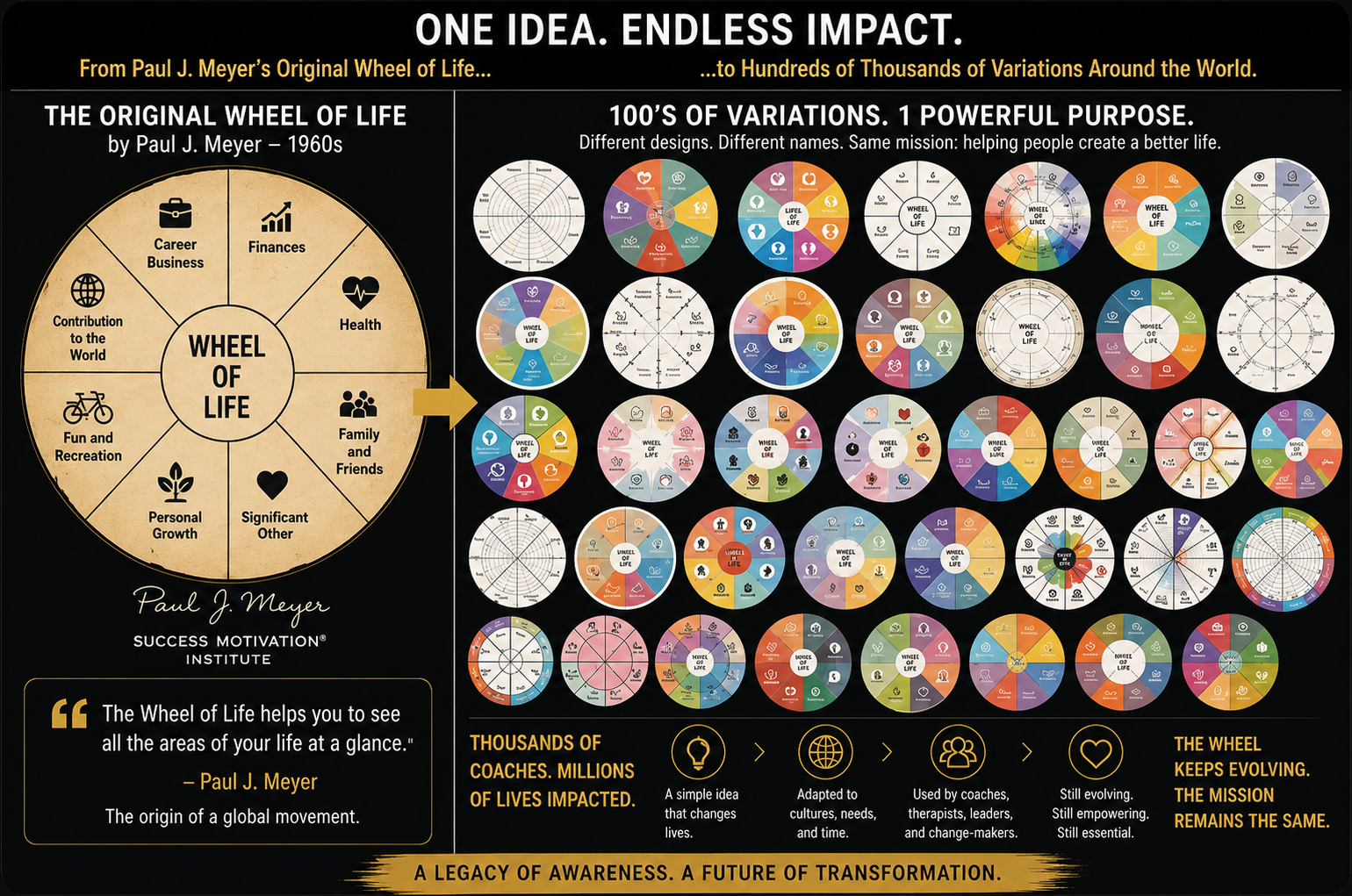
In ONELife, we picture a life as a unicycle: one wheel with eight spokes, the parts of life, held by a frame of identity. Manufacturing taught me about both.
Quality Is Designed In, Not Inspected In
Manufacturing once relied on inspection. Build the product, check it at the end, fix what you can and scrap the rest.
The best organizations learned that quality couldn’t be inspected into a finished product. It had to be designed into the system. The question changed from “What’s wrong?” to “What process created it?”
That shift gave us TQM, Kaizen, Lean, PDCA, Poka-Yoke and more. Different tools, one philosophy:
Understand reality.
Think systemically.
Design intentionally.
Learn continuously.
Do not confuse activity with progress.
Now compare that with how most of us manage our lives.
Life Is Still Managed in Departments
We’ve become remarkably good at optimizing individual pieces of life: career plans for work, budgeting apps for money, trackers for sleep and steps.
It looks a lot like a company where every department optimizes its own numbers while nobody owns the performance of the whole. Manufacturing learned how dangerous that is.
Life works the same way. We can optimize career and damage health. Optimize income and weaken relationships. Optimize our children’s schedules and accidentally eliminate the unstructured family time that builds relationships.
Every individual dashboard can look green while the whole system quietly moves in the wrong direction.
The Wheel: A Whole Life Is a System
A system is not just a collection of parts. The relationships between the parts matter, sometimes more than the parts themselves. Work affects health. Health affects relationships. Finances affect almost everything.
That’s why I read TQM a little differently. The word that matters isn’t total, which assumes a sum of parts. It’s whole. Quality doesn’t belong to one department; it belongs to the entire system.
The ONELife wheel has eight spokes: work and career, health, finances, relationships, environment, growth and learning, hobbies and recreation, and giving back. The goal is not equal balance across eight boxes. Different seasons demand different priorities, and a new baby, a health crisis or an aging parent changes the whole system.
The question isn’t whether everything is balanced. It’s whether the whole still makes sense. And that depends on something the wheel can’t provide.
The Frame: What Manufacturing Taught Me About Identity
A wheel by itself can’t choose a direction or create momentum. On the ONELife unicycle, that comes from the frame: your identity. The seat is purpose, the axle is core values and the pedals are guiding principles. Underneath all three sit the beliefs that shape how we see the world. The best manufacturers taught me as much about this frame as about the wheel.
The Seat: Purpose
The first of W. Edwards Deming’s 14 Points was “Create constancy of purpose.”1 Toyota’s first principle is to base decisions on a long-term philosophy, even at the expense of short-term financial goals.2 Purpose isn’t a plaque in the lobby. It’s what settles hard tradeoffs over years. Without it, a life chases the next quarter.
The Axle: Core Values
Values show up under pressure. In 1982, Johnson & Johnson’s Credo put customers first, and the company pulled roughly 31 million bottles of Tylenol off the shelves. At Alcoa, Paul O’Neill made worker safety the value that reshaped the entire company. Values transfer force from intention to action. Your real ones are visible at the Gemba, not on your résumé.
The Pedals: Guiding Principles
Toyota’s andon cord lets any worker stop the line when they spot a defect. That’s a principle built into the process: quality before output, and trust in the people closest to the work. Principles are decisions made in advance. “Phones don’t come to dinner” is an andon cord for a family.
Beliefs
Deming estimated that about 94% of problems belong to the system, not the people in it.1 A plant that blames its workers finds culprits. A plant that questions its system finds improvements. Beliefs decide what we can even see. If I believe I just lack discipline, I’ll never look at my system.
At the best manufacturers, identity stays stable for decades while tactics change daily. The frame holds steady so the wheel can keep adjusting. They connect the two deliberately, carrying True North down into yearly objectives and daily work. That’s what POST does for a life.
Go to the Gemba of Your Own Life
Lean practitioners talk about going to the Gemba: the real place where the work happens. Don’t manage from reports. Go see.
Apply that to life. Not the life on your LinkedIn profile. Your actual life. How is your health really doing? What is your financial reality? How are you really spending your time? Are you doing anything simply because it brings you joy?
Before improvement comes truth.
That’s why a Life Strategy starts with the current state. In ONELife, we call it Profile, the first step of POST:
Profile
Objectives
Strategy
Tactics
Most people want to jump straight to goals and habits. Manufacturing would tell us to slow down and understand the system first.
Seeing the System Is Not Enough
Systems thinking can become purely analytical. Life also requires imagination: not only “What is happening?” but “What could be?”
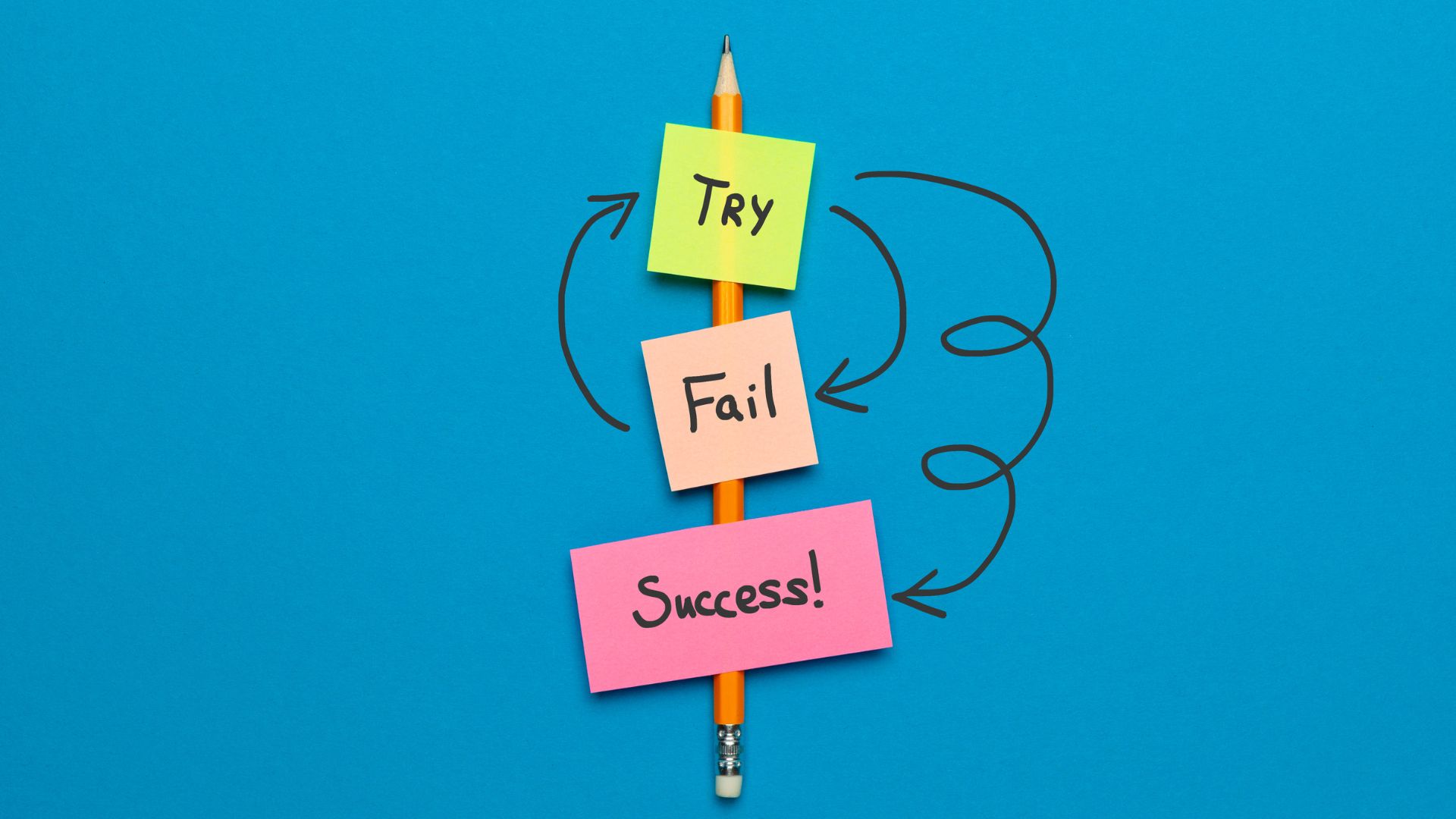
Stanford’s Life Design Lab applies design thinking to what it calls the “wicked problem” of designing a life: start where you are, generate possibilities, prototype, learn and iterate. A prototype that doesn’t work isn’t failure. It’s information.3
The two disciplines need each other. Systems thinking keeps us from making changes without understanding the ripple effects. Design thinking keeps us from becoming prisoners of the current system.
If someone is unhappy at work, systems thinking shows how changing jobs would ripple through income, family and health insurance. Design thinking then prototypes futures beyond “quit or stay.” Could the role change? Could a side project become a future career?
Strategy Is the Missing Middle
Which possibility should we pursue, and how do we get there? That is strategy.
We accept without question that businesses, sports teams and governments need strategy. Yet with our own lives, we jump from goals straight to actions. Set the goal, download the app, start the habit.
Strategy sits between objectives and tactics. It asks what choices we must make, what we will intentionally not do and how each decision affects the rest of the system. The business world is making the same connection: in 2023, Harvard Business Review published BCG’s Rainer Strack and colleagues on applying boardroom strategy to building a meaningful life.4
That is the S in POST, and I believe it is the missing middle in personal development.
It matters even more now. AI can generate a workout, a budget or a career plan in seconds. Without the frame, who you are and what you value, AI just helps us optimize eight disconnected spokes faster.
Find the Root Cause
Manufacturing teaches us that the visible problem is often not the real problem.
A machine stops.
Why?
A bearing failed.
Why?
It wasn’t lubricated.
Why?
The maintenance schedule was missed.
Why?
The team was short-staffed.
Why?
Management changed priorities without changing resources.
The first problem looked mechanical. The root cause was organizational.
Someone says, “I’m exhausted.” The easy answer is to sleep more. But maybe they’re in a role they hate. Maybe financial anxiety keeps them awake, or they’ve filled every minute with commitments. The symptom shows up in one part of life. The cause may sit somewhere completely different.
From Continuous Improvement to Continuous Adapting
We tend to approach personal development dramatically: resolutions, resets, whole new lives. When it doesn’t stick, we blame our discipline.
Kaizen offers another model: small changes, made repeatedly, over time. Plan, do, check, act. Try something, learn, adapt and try again. That isn’t rigid. It’s a systematic way to stay flexible.
For life, I’d go one step further: continuous adapting. The target itself moves. Children grow, parents age, careers and bodies change. What mattered at 30 may not matter the same way at 50 or 70. A unicycle stays upright only through constant small corrections. So does a life.
A Life Strategy cannot be written once and laminated.
Manufacturing also teaches us not to depend on perfect behavior. Poka-Yoke, or mistake-proofing, makes errors harder to make. If health matters, exercise already has a place on the calendar. If relationships matter, phones aren’t invited to dinner. Don’t just try harder. Redesign the conditions around the behavior.
The Factory Can Be Clean and Still Be Lying
One of the most dangerous conditions in manufacturing is when everything looks right. The floor is spotless and the metrics are green. Yet underneath, something is wrong.
Life can look exactly like that. Calendar organized. Workout done. Inbox zero. Kids delivered everywhere on time. And yet there’s a quiet feeling:
Something is off.
That feeling shouldn’t be dismissed. Sometimes it’s feedback from the system. The pieces may be working while the whole isn’t coherent.
Structure Creates Room for Creativity
All of this can sound painfully structured. But the best plants I visited were anything but boring. Once people understood the system, they experimented with it, competed to improve it and celebrated tiny wins. Structure didn’t eliminate human ingenuity. It unlocked it.
A good Life Strategy should do the same: free us from constantly reacting, with enough clarity to experiment, say no more confidently and enjoy the process of becoming.
The Engineer, the Designer and the Strategist
The engineer asks how the system works and where the constraint is. The designer asks what the human actually needs and what other futures are possible. The strategist asks: given all of that, what choices will we make?
We’ve spent decades refining these disciplines in business. Maybe it’s time to apply them together to the most complicated system any of us will ever manage.
One life.
Not to turn life into a factory or engineer away spontaneity. But to create enough structure to see clearly, enough imagination to explore, enough strategy to choose deliberately and enough adaptability to keep evolving as life does.
Because the greatest lesson manufacturing taught me is this:
A good system does not constrain people.
It gives them a better platform from which to create.
What can I do this week to start designing my life?
- Write one sentence each for your purpose, core values, guiding principles and beliefs.
- Go to your own Gemba: describe how your health, finances and time are really doing, not how they look.
- Review all eight parts of life: work and career, health, finances, relationships, environment, growth and learning, hobbies and recreation, and giving back.
- Ask “why” five times about one symptom you’re feeling, such as exhaustion, until you reach the cause.
- Mistake-proof one priority by giving it a place on your calendar or a rule decided in advance.
How can a life strategy help?
Start Where Every Improvement Starts
Check the frame first: what is your purpose, and which values, principles and beliefs actually drive your choices? Then go to your own Gemba and take an honest look at all eight parts of life. That’s Profile, the first step of POST, and it’s where ONELife begins.
Frequently asked questions
What is systems thinking in everyday life?
Systems thinking means looking at how the parts of your life affect one another instead of treating each one on its own. Work affects health, health affects relationships, and finances affect almost everything. The question changes from “Is every area on track?” to “Does the whole still make sense?”
What does it mean to go to the Gemba of your own life?
The Gemba is the real place where the work happens, a Lean idea of going to see instead of managing from reports. In life, it means taking an honest look at your actual health, finances and time, not the life on your LinkedIn profile. Improvement starts with that truth, which is why a life strategy begins with the current state.
Why isn’t working harder enough to improve my life?
You cannot solve every problem by simply working harder, and improving one part of a system affects the others. W. Edwards Deming estimated that about 94% of problems belong to the system, not the people in it. If you only question your discipline, you never look at your system.
How do I find the root cause of a problem in my life?
Keep asking “why” until you move past the symptom. Someone who says “I’m exhausted” may be in a role they hate, carrying financial anxiety or overloaded with commitments, so sleeping more won’t fix it. The symptom shows up in one part of life, but the cause may sit somewhere completely different.
What is continuous adapting?
Continuous adapting means making small changes repeatedly because the target itself keeps moving. Children grow, parents age, and careers and bodies change. A life strategy cannot be written once and laminated.
Have more questions? See the full FAQ.
Key takeaways
- You can’t improve what you can’t see, so start with an honest look at your life as it is.
- Optimizing one part of life affects the others, so manage the whole system, not separate departments.
- Look for the process behind a problem instead of blaming your discipline.
- Systems thinking, design thinking and strategy work best together.
- A life strategy is never finished: keep adapting it as life changes.
Sources
- W. Edwards Deming, Out of the Crisis (MIT Press, 1986).
- Jeffrey K. Liker, The Toyota Way: 14 Management Principles from the World’s Greatest Manufacturer (McGraw-Hill, 2004).
- Stanford Life Design Lab, “Designing Your Life.” lifedesignlab.stanford.edu/dyl
- Rainer Strack, Susanne Dyrchs and Allison Bailey, “Use Strategic Thinking to Create the Life You Want,” Harvard Business Review, December 2023. hbr.org
Explore more research on our Research page.